
Building an Affiliate Funnel That Drives Revenue for Your Company

See how LeadDyno can take your affiliate marketing strategy to the next level. Let’s set up a 1:1 demo to get your questions answered.
Introduction
A proper affiliate marketing funnel can help increase your program conversion rates, provide structure for future optimizations, and overall, provides a more strategic view of your affiliate program. Yet many brands treat the funnel as an afterthought, instead of a strategic growth tool.
This guide will show you how to build an affiliate funnel that works. You'll learn the key components of successful affiliate program management, strategies to recruit and retain top affiliates, and other strategies to optimize your funnel for revenue.
Key Takeaways
- Strategic Foundation: Successful affiliate funnels start with clear revenue goals and a well-structured commission system that motivates affiliates.
- Systematic Optimization: The profitable affiliate programs continuously track performance metrics, test different approaches, and scale what works while eliminating what doesn't.
- Relationship-Driven Success: Long-term affiliate funnel success depends on building strong relationships with your affiliate partners through effective onboarding, ongoing support, and consistent communication.
Understanding What an Affiliate Sales Funnel Is
An affiliate sales funnel represents the complete customer journey from initial awareness through purchase, but facilitated by your affiliate partners. This is different from a traditional marketing funnel where you mainly rely on your internal efforts.
The affiliate funnel leverages external partners to expand your reach and drive conversions. This is a core tenet to ensure your funnel is optimized to support your affiliate partners.
The Basics
Your affiliate funnel operates as a multi-stage system where affiliates guide potential customers through each phase of the buying process.
Ultimately, this is typically done though:
- Your affiliate partners develop marketing materials (like social media posts or videos).
- They promote your product/service directly to their audience.
- Interest is gained through specific landing pages for those that resonate.
- That interest turns into clicks and purchases, tracked with unique link tracking.
- Affiliates earn commissions and are paid out.
Your affiliates essentially become an extension of your sales team. They use their audiences, expertise, and credibility to promote your offerings.
Why You Need an Affiliate Funnel For Your Brand
First, your affiliate funnel provides an overall map and structure that you can follow for building out certain areas of your program. For example, if you’re running into an awareness problem within a few landing page clicks, your brand may need to focus on the core messaging that is being provided to affiliates. It may not be fully resonating with their audience.
Second, affiliate funnels create a scalable system without the upfront costs associated with other marketing methods and channels. Instead of paying for impressions or clicks, you invest in actual sales and leads generated by your partners.
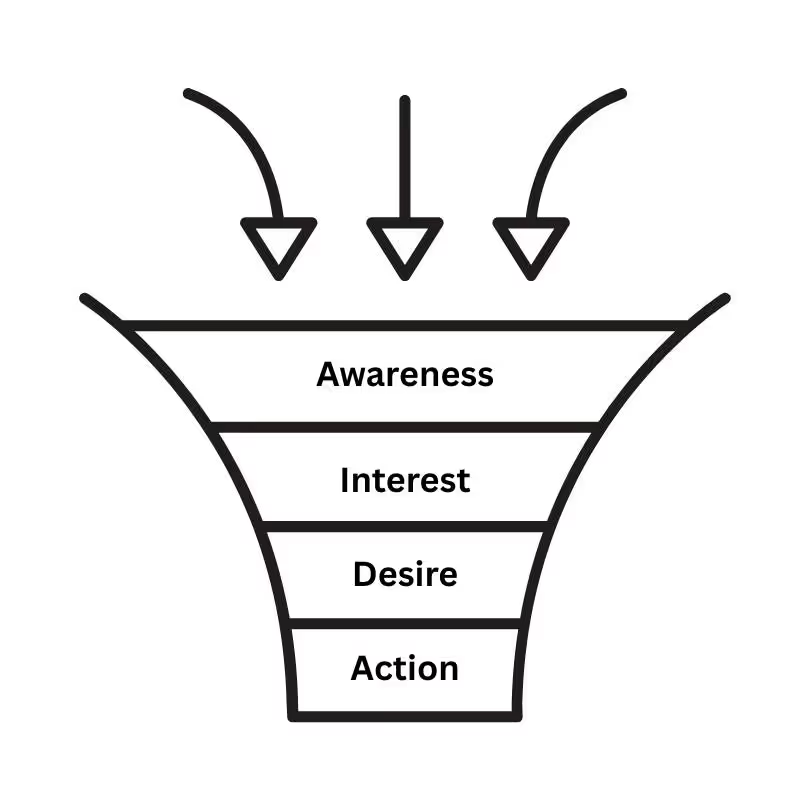
Stage 1: Awareness
The awareness stage focuses on introducing potential customers to your brand through affiliate-generated content. Affiliates create all kinds of different content, including blog posts, social media content, or videos that will showcase your products or services to their audiences.
The goal isn't immediate sales but rather building brand recognition and establishing your company as the desirable option in your market.
To be successful in this stage of the affiliate funnel, content should include product reviews, comparisons, or tutorials. Providing onboarding documents that include messaging, audience pain-points, pre-made demos, etc, for your affiliate partners will set them up for success in the beginning.
Stage 2: Interest
The interest stage involves deeper engagement with your affiliate partner’s audience. This is where potential customers actively seek more information about your products or services. Typically, this is measured by the number of people that reach your specific landing pages, site sign-up forms, or other direct ways where you can measure additional interest.
The goal here shifts from general awareness to specific problem-solving.
Your role during the interest stage involves providing affiliates with potential promotions (to drive desire) and deeper product information to nurture these engaged people.
Stage 3: Desire
The desire stage transforms interest into genuine purchase intent. While there is some blurring-of-the-lines between interest and desire, this is ultimately where your affiliates will use urgency, special offers, or exclusive deals to create urgency and motivation for prospects to take action.
The goal here is to ultimately direct them into stage 4, action.
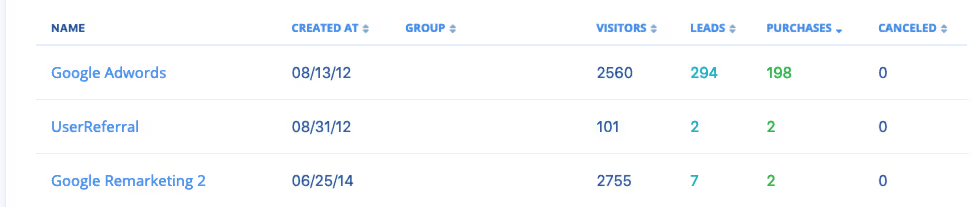
During this critical stage, your tracking links and systems become essential for attributing clicks and conversions correctly. The last thing you want is to over or under pay your affiliate partners.
This is where affiliate management software like LeadDyno comes in. All your affiliate tracking is automated with layers of protocols to help protect against things like affiliate fraud, manual tracking mistakes, and more.
{{blog-cta}}
Stage 4: Action
Action. The final stage of your brand’s affiliate funnel. This is where you generate the sale, get the lead information, or generate a sign-up — whatever your desired action is.
This stage requires seamless integration between your tracking, checkout processes, and fulfillment operations. Once these actions are done, your affiliate partners will be looking to get paid for their hard work.
Setting Up Your Affiliate Funnel: Step by Step
While 4 steps may seem pretty straightforward, it’s important we review some additional and actionable steps to building a successful affiliate marketing funnel.
1. Defining Revenue Goals
Start by establishing clear, measurable objectives for your affiliate program. Determine how much additional revenue you want to generate through affiliate partnerships and what percentage of your overall sales should come from affiliate channels.
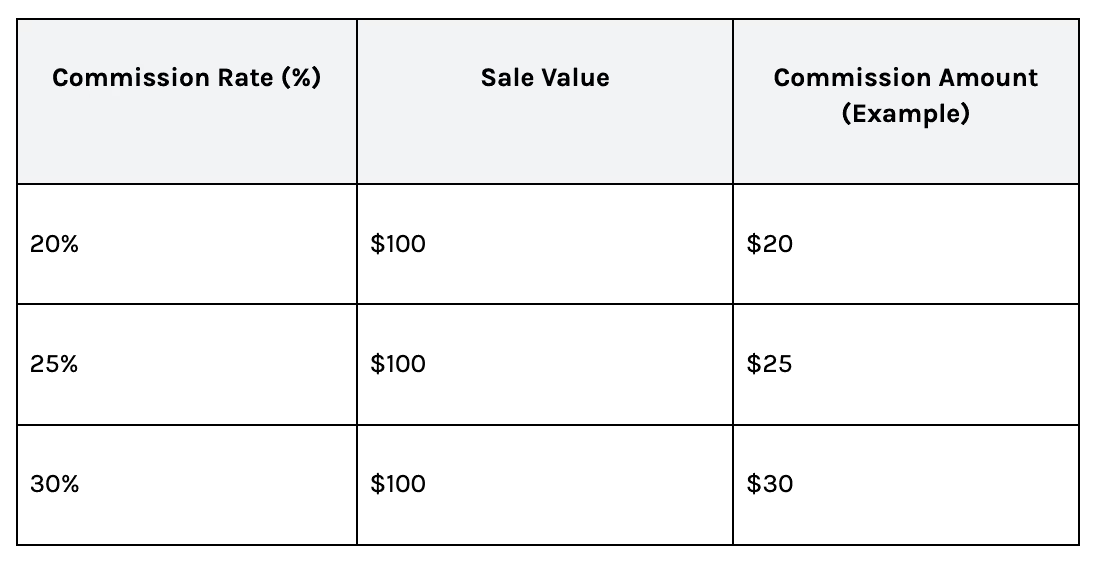
Consider your current customer acquisition costs and lifetime value metrics when setting commission rates. Your affiliate program should generate profitable growth while providing attractive incentives for your partners. A common approach involves offering commissions that represent 20-30% of revenue produced.
2. Develop Your Affiliate Marketing Strategy
A. Define Your Ideal Partner Profile
Identify the types of affiliates who can best reach your target audience and drive high-quality conversions. Consider their:
- Niche
- Audience size
- Audience demographics
- Content style
- Platform
B. Research Competitor Programs
Next, study your competitors' affiliate programs. The main items of importance include things like commissions, promotional restrictions, and recruitment strategies. This will help you recruit other top affiliates for your program.
Pro Tip: Investigate competitor or similar affiliate programs through affiliate partner networks like Rakuten.
C. Establish Competitive Positioning
Use the insights from your research to differentiate your program. Highlight unique selling points, such as higher commission rates, better support, or exclusive perks for affiliates. That way, when you’re pitching new affiliates, they have a compelling reason to join your program.
D. Develop Clear Brand Guidelines
If your brand doesn’t already have clear brand guidelines, you’ll want to spend some resources creating this. Clear brand guidelines that include disclosure requirements, prohibited marketing practices, and approved promotional channels will protect the brand’s reputation. They’ll also help avoid cannibalising other marketing or sales efforts.
E. Publish and Promote
Once you’ve set up the core structure and finalized the details, it’s time to launch your affiliate program and make it live. From there, your focus should shift to promoting the program and actively recruiting affiliates to join.
3. Setting up Tracking Infrastructure
We highly recommend implementing software for your affiliate tracking. A mistake on payment or conversion attribution can ruin your affiliate partners relationships.
Your tracking infrastructure should handle multiple attribution models and integrate directly with your existing marketing tech stack.
How LeadDyno Streamlines Affiliate Tracking
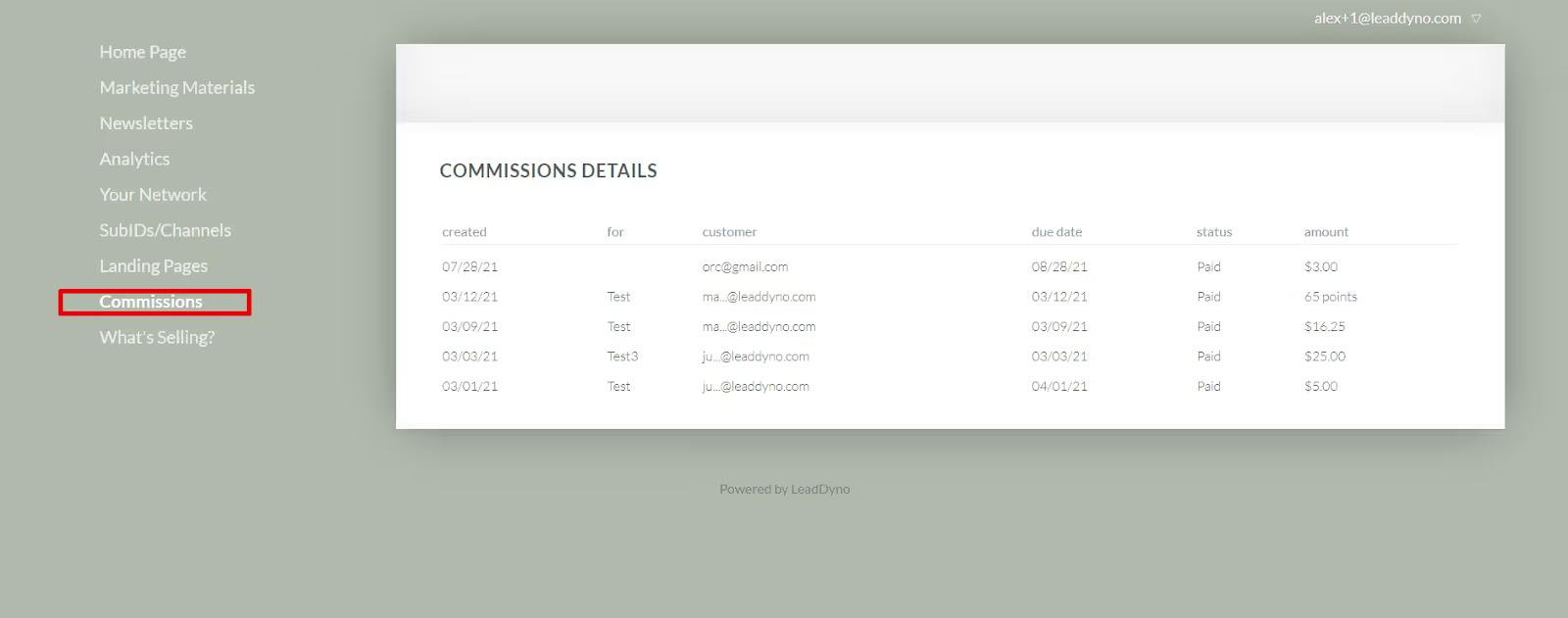
LeadDyno streamlines affiliate tracking for businesses of all sizes with an easy setup and seamless integration with platforms like Shopify, WooCommerce, and BigCommerce.
Our advanced features include multi-touch attribution and proactive fraud detection. Not only that, but affiliates also benefit from detailed dashboards and reliable payouts — all to help you build trust and grow your program efficiently.
4. Recruit Affiliates
During recruitment efforts, focus on building relationships with affiliates who can generate long-term and quality traffic, rather than one-off traffic spikes.
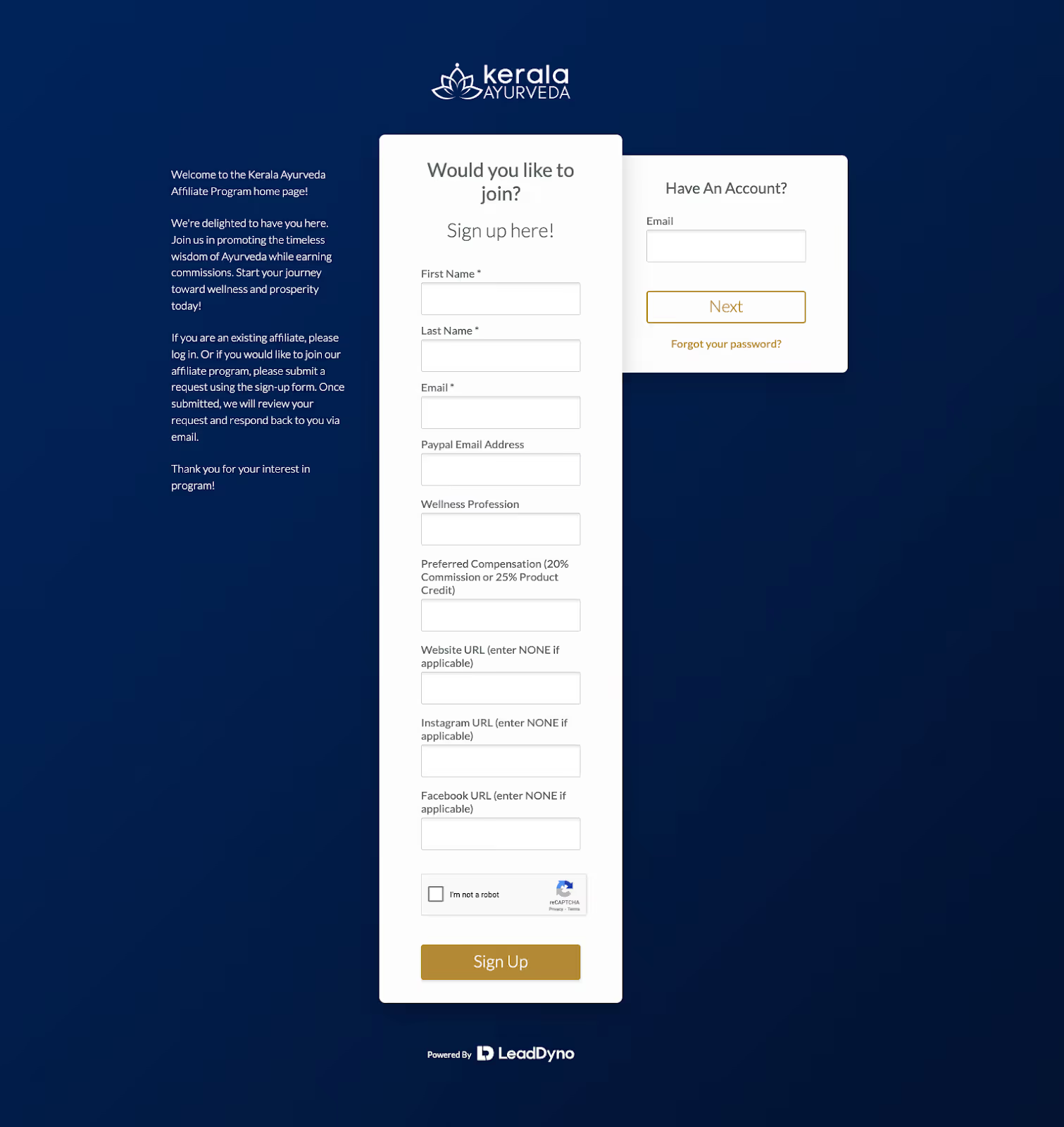
Create a Simple but Great Affiliate Sign-Up Page
Building a straightforward, easy-to-understand affiliate sign-up page is essential. Complicated landing pages can confuse and deter potential affiliates from joining your program. Make sure your page includes:
- A catchy tagline
- Creative visuals
- A succinct business description with information about your top-performing products or services
- Clear details on program terms and a simple commission table
- A direct contact option for affiliates to reach out
Offer Affiliates Incentives to Sign Up
Motivate potential affiliates to join by offering incentives such as:
- A gift card or cash bonus after their first referral or sale.
- Customized coupons they can share with their audience.
Also, keep affiliates informed about updates and new features of your product or service to maintain their interest and engagement.
Use Multiple Recruitment Channels
Don’t just stick with one recruitment channel. We recommend using multiple recruitment channels, including affiliate networks, events, your own customer lists, competitor analysis, and even PPC ads.
Recommended Reading: 7 Tips To Recruit Affiliates to Your SaaS Affiliate Program
5. Onboard, Nurture, & Retain
Now, design a comprehensive onboarding process that quickly gets new affiliates productive while building strong working relationships. Provide essential marketing materials, product information, and technical resources that enable affiliates to start promoting effectively.
It’s also important to establish regular communication channels that keep affiliates informed about new products, promotional opportunities, and program updates. Over time, you may also need to look to re-engage affiliates that are not promoting your products or services.
6. Measurement
Establish comprehensive reporting systems that provide visibility into affiliate performance, program ROI, and opportunities for improvement. Track metrics beyond basic conversion data to understand the full impact of your affiliate partnerships.
Create regular reporting schedules that keep stakeholders informed about program performance and demonstrate the value of affiliate marketing investments. Include both quantitative metrics and qualitative insights about partner relationships and market opportunities.
Improving Your Affiliate Sales Funnel
Optimization separates successful affiliate programs from those that struggle to generate meaningful results. Continuous improvement based on data-driven insights ensures your affiliate funnel evolves with changing market conditions and partner needs.
Track & Measure What Matters
Your measurement efforts should focus on metrics that directly impact your business objectives, rather than vanity metrics that look impressive but don't drive meaningful results. Revenue per affiliate, customer acquisition costs, and lifetime value from affiliate customers provide more actionable insights than simple click-through rates.
Pro Tip: Implement cohort analysis to understand how affiliate-generated customers perform compared to those acquired through other channels. This analysis helps you optimize commission structures and identify affiliates who attract high-value customers worth additional investment.
Scale What Works
Identify your top-performing affiliates and promotional strategies, then systematically expand these successful approaches.
This could involve recruiting more affiliates with similar characteristics. Start by analyzing common characteristics of your most profitable affiliate partnerships. Look for patterns in affiliate audience demographics or content types that consistently generate quality conversions.
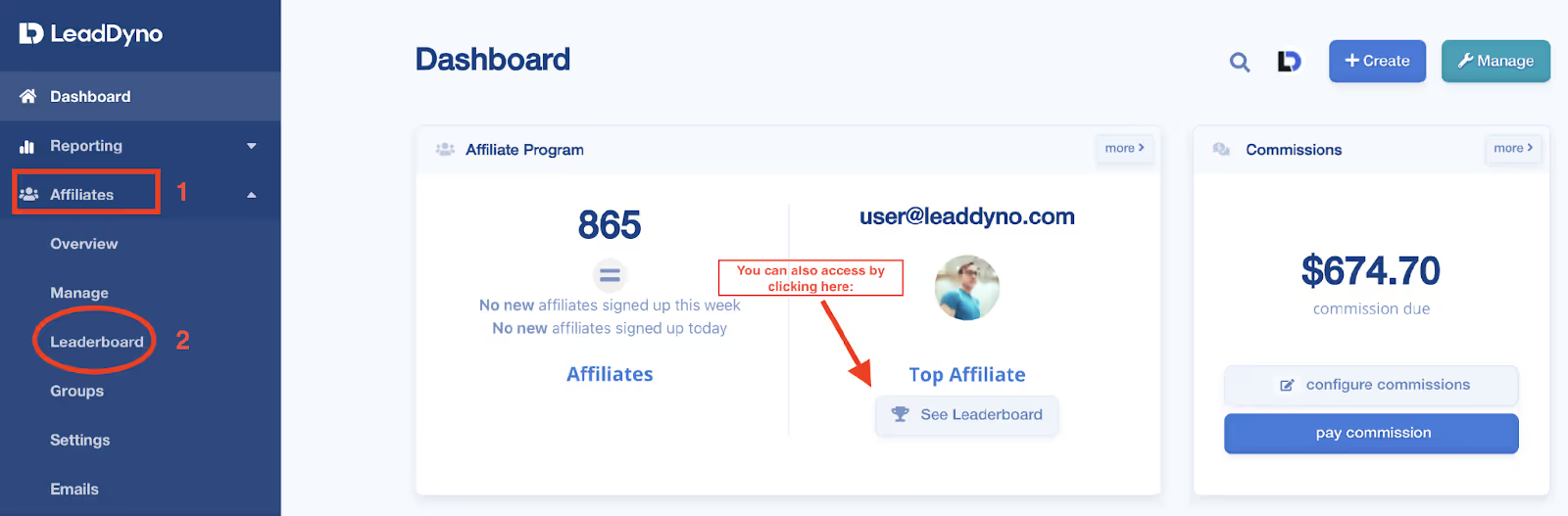
You can also set up affiliate competitions with additional incentives to make things fun and competitive.
Optimize Marketing Assets
Continuously test and improve the marketing materials you provide to affiliates. High-converting affiliates may also have personalized marketing assets, custom discounts, and other promotional material specifically made for them. This is to help build authentic messaging that aligns with both their audience and your brand.
Discover more about marketing asset optimization with LeadDyno.
<iframe width="560" height="315" src="https://www.youtube.com/embed/a6p9FWlblsU?si=pf2iGUJrRFhgmCNf" title="YouTube video player" frameborder="0" allow="accelerometer; autoplay; clipboard-write; encrypted-media; gyroscope; picture-in-picture; web-share" referrerpolicy="strict-origin-when-cross-origin" allowfullscreen></iframe>
Using Software to Improve Your Entire Affiliate Funnel
Advanced affiliate management software provides the tools you need to recruit better partners, track performance accurately, and optimize your entire funnel for maximum revenue generation.
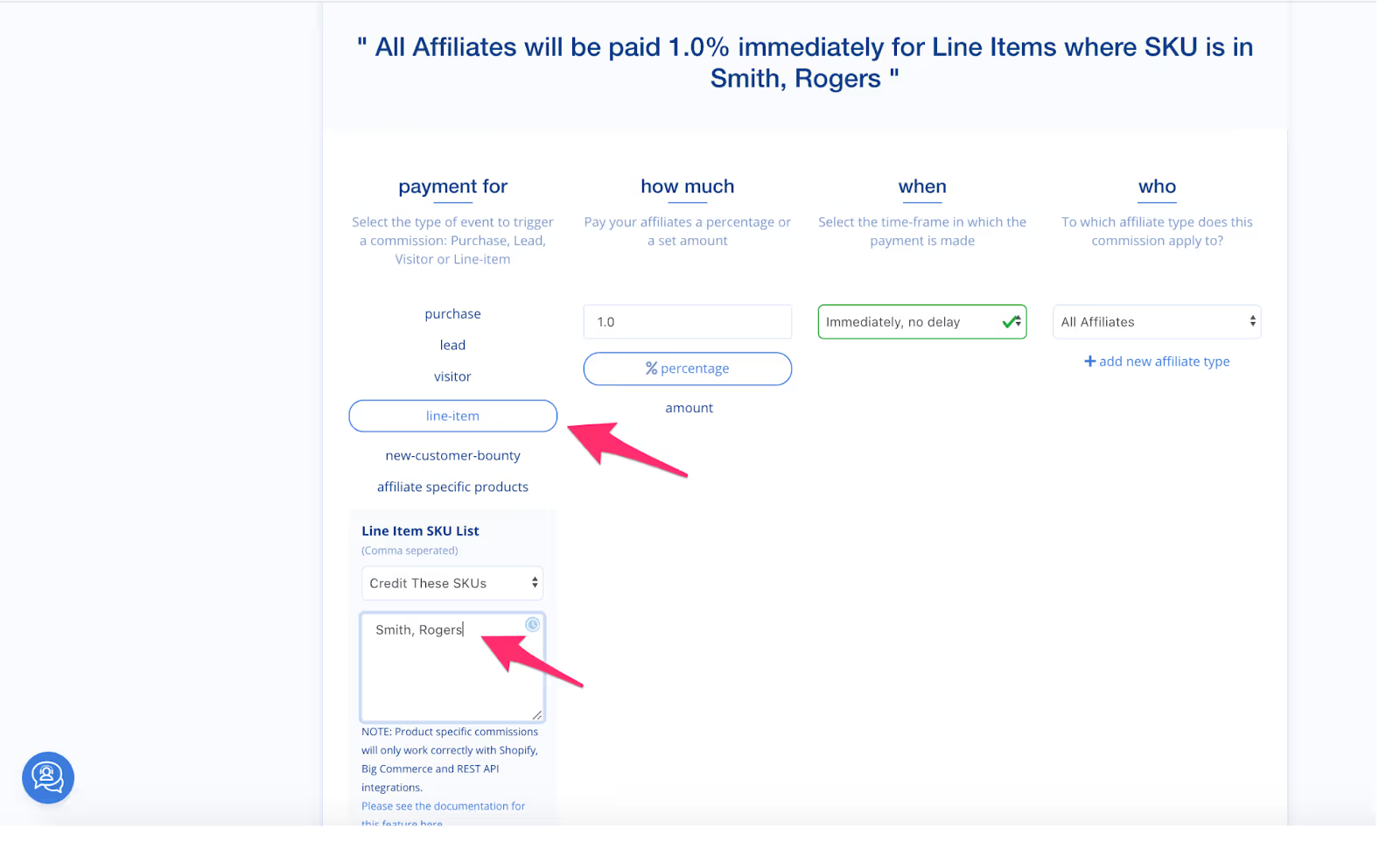
LeadDyno provides accurate tracking across multiple channels, automated commission calculations, and detailed reporting that gives you complete visibility into your performance.
LeadDyno helps you save time and scale your affiliate program, so you can focus on growing your business. Here’s how it benefits you and your marketing team:
- Saves time by automating manual / routine tasks
- Allows your team to focus on building relationships and optimizing your program
- Accurate commission calculations and performance tracking
- Supports your growth by streamlining operations as your affiliate network expands
Final Thoughts
Building a successful affiliate marketing funnel requires strategic thinking, systematic execution, and continuous optimization. The companies that achieve the best results treat affiliate marketing as a core business function rather than a side project. Invest in the systems and relationships upfront, and you’ll be on your way to building long-term affiliate marketing success for your brand.
Ready to build an affiliate funnel that drives real revenue growth? LeadDyno provides the comprehensive platform that you need to launch and scale a successful affiliate program.
Start your free trial to see how our advanced tracking, automation, and analytics capabilities can transform your affiliate marketing results!
.webp)

.svg)
Start a Free Trial
30 days free · Full Access
Cancel anytime
You might also be interested in...

Get Started Today
Launch your affiliate program with confidence thanks to our 30-day free trial. Begin building a program that delivers results.

