
B2B Affiliate Marketing Guide: Setup, Ideas, and More
See how LeadDyno can take your affiliate marketing strategy to the next level. Let’s set up a 1:1 demo to get your questions answered.
The landscape of business to business (B2B) marketing is shifting rapidly, and 2026 is looking like it will start as one of the most challenging years yet for advertising budgets.
According to recent research from Business of Apps, Meta cost-per-click (CPC) rates for digital ads have risen sharply and show no signs of slowing down. This increase is putting immense pressure on businesses to find smarter and more sustainable ways to bring in revenue.
Whether you're a marketing director looking to diversify your lead generation or a brand manager seeking cost-effective growth channels, here is your roadmap to succeed with B2B affiliate marketing. Let’s begin.
What is B2B affiliate marketing?
In short, affiliate marketing is where another company or individual will promote your products or services in exchange for a commission. It’s a performance-based strategy to help drive a desired action, like generating leads or increasing sales and brand awareness. In B2B, this approach focuses on partnerships between businesses rather than individual consumers.
How it's different from B2C affiliate marketing
B2B affiliate marketing operates differently from its B2C counterpart in several key ways, including:
Sales Cycle Length
A typical B2B sales cycle may span 6 to 12 months. This means that you’ll need to consider long-term attribution tracking for conversions or focus on lead generation as a metric of success. In contrast, B2C programs often see immediate conversions within 30 days.
Relationship Focus
B2B affiliate marketing focuses on long-term partnerships and relationship building. Affiliates commonly provide ongoing support, education, and consultation throughout the customer journey. For B2C affiliate marketing, it’s more focused on trending products and profitable promotions for immediate and short-term sales.
Target Audience
Finally, B2B affiliates target decision-makers, procurement teams, and influencers within organizations rather than individuals making personal purchases.
Recommended Resource: [Guide] Referral Marketing Programs & How to Implement
Does Affiliate Marketing Work for B2B Companies?
In short, yes, affiliate marketing is a powerful and useful channel for B2B companies. The data speaks volumes about the effectiveness, too.
Recent industry research shows that businesses using affiliate marketing generate 20% more revenue than those that don't. For B2B companies specifically, affiliate programs can contribute 15-30% of total sales within the first two years of implementation.
Cost-effectiveness is another major advantage. Traditional B2B marketing channels like PPC advertising and trade shows can cost $500-$1,000 per qualified lead. In contrast, affiliate marketing for a high CPC industry like finance can cost $50-$200 per lead, which is a huge difference in cost efficiency.
Pillars of success for B2B affiliate programs
So, now that you know how important affiliate programs are for B2B, here’s how successful B2B affiliate programs are built.
Strategic Partner Recruitment
The most effective programs carefully select affiliates who serve the same target audience but offer complementary services. This helps to generate genuine value alignment and reduces competitive conflicts.
Comprehensive Support Systems
The top-performing programs also provide extensive marketing materials and ongoing support to affiliates. This could include things like technical documentation, sales training, or a dedicated account manager.
Technology Integration
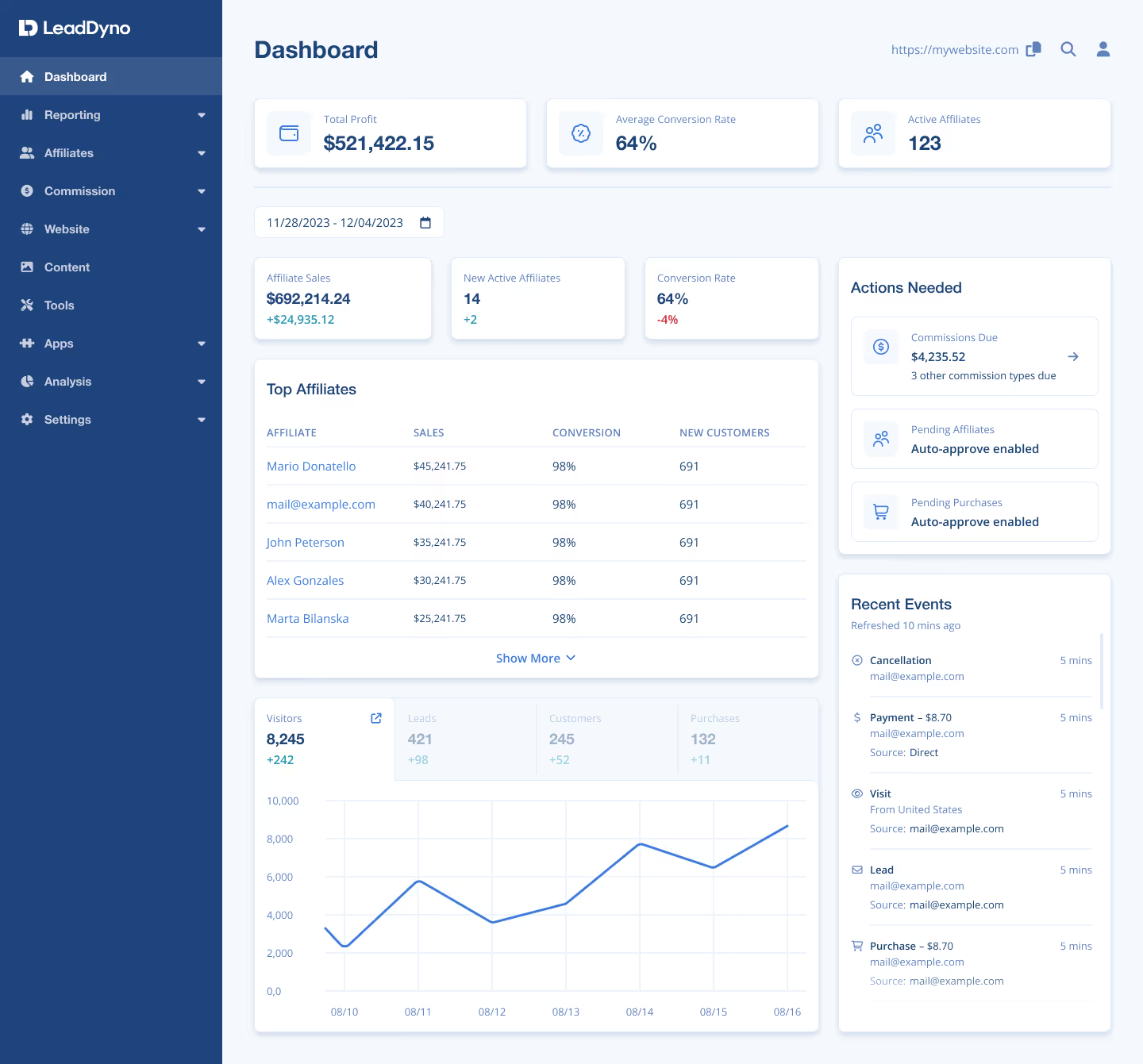
Finally, advanced tracking and attribution systems are essential for managing complex B2B sales cycles. Programs need robust platforms that can handle multi-touch attribution, CRM integration, and easy commission payouts.
Why B2B affiliate marketing is a game-changer
Targeted Reach for Niche Audiences
One of the key advantages of B2B affiliate programs is the ability to target specific, niche audiences. In B2B, it’s not just about volume; it’s about reaching the right decision-makers. Affiliates often already have established trust and influence with potential clients, meaning your message can be communicated to a highly relevant audience. For instance, if your company sells project management software, partnering with a B2B productivity consultant as an affiliate could open doors to clients you might otherwise struggle to access.
Cost-Effective Lead Generation
Traditional lead generation methods, like cold outreach and paid ads, may be expensive and time-consuming. Affiliate programs offer a cost-effective alternative. With affiliate marketing, you only pay for performance—whether that’s a lead, a signup, or a sale. This makes it a more financially sustainable strategy, especially for companies looking to scale without huge upfront investments.
Credibility Through Partnerships
Trust is a critical factor in the B2B space. When you partner with the right affiliates, you’re essentially borrowing their reputation and credibility. An affiliate that’s already established in the industry can provide a strong recommendation to their audience, increasing the likelihood of conversions. For instance, a trusted HR consulting firm recommending a B2B payroll solution is much more effective than direct advertising alone.
Scalable and Adaptable Strategy
The beauty of affiliate programs lies in their scalability. Whether you’re a small startup or a well-established company, you can build an affiliate network that grows alongside your business. As new technologies emerge and the B2B landscape shifts, you can continuously adapt and expand your affiliate partnerships to keep pace with market demands.
Step by step: B2B affiliate marketing
Building a successful B2B affiliate program requires a systematic approach. Here are the steps to follow to create a program that drives real results.
Step 1: Setting Up Your Affiliate Program
The foundation of your affiliate program starts with choosing the right platform and structure.
Define Core Program Structures
Start by defining your program's core structure by determining whether you'll run an open program accepting all qualified applicants or a closed program with invitation-only access. B2B programs typically perform better with a hybrid approach, open applications with a detailed qualification criteria and vetting process.
Get Documentation Sorted
Next, establish your program terms and conditions. This includes commission payment schedules, performance requirements, prohibited marketing practices, and termination policies. It’s very important to be specific about compliance requirements, especially if you operate in regulated industries like healthcare or finance. This needs to be created before any affiliate signs up.
Set Program Qualifications and Application Requirements
Now, create your affiliate application process. This involves putting together qualification criteria that screen for relevant industry experience, target audience alignment, and marketing capabilities. Your application should collect information about the prospect's business model, marketing channels, and client base to ensure a good fit.
Track, Track, Track
Finally, set up tracking infrastructure. A major area of importance is to implement conversion tracking that can handle complex B2B customer journeys. This could include offline conversions, phone calls, and multi-touch attribution across months-long sales cycles. We’ll dive into more on this later.
Step 2: Set Commission Structures
Commission structure design can make or break your B2B affiliate program. Your rates need to be competitive enough to attract quality partners while maintaining healthy profit margins. Here’s how to do that.
Competitor Research
It’s important to research competitor commission rates, so you’re offering relevant market rates. B2B SaaS companies typically offer 10-50% recurring commissions, while service-based businesses might offer 5-25% of the first year's contract value.
Tiered Structures
A great way to help build scalable growth into your B2B affiliate program is by using tiered commission structures that reward high-performing affiliates. For example:
- Tier 1: 15% commission for 1-5 referrals per month.
- Tier 2: 20% commission for 6-15 referrals per month.
- Tier 3: 25% commission for 16+ referrals per month.
Decide on payment timing. B2B programs often use milestone-based payments:
- 50% commission on qualified lead acceptance.
- Final 50% commission on deal closure.
Step 3: Set KPIs and Goals
Establishing clear metrics will help keep your program on track and deliver measurable business value.
B2B affiliate programs require different KPIs than B2C programs due to longer sales cycles and higher transaction values. A few of the main indicators you should track include:
- Revenue Attribution: Total sales generated through affiliate channels.
- Cost Per Acquisition (CPA): Total program costs divided by new customers acquired.
- Affiliate ROI: Revenue generated per dollar spent on affiliate commissions and management.
- Lead Quality Score: Percentage of affiliate leads that meet qualification criteria.
Focus Beyond Revenue
It's important to concentrate on generating high-quality leads that align with your ideal customer profile. This is particularly important given the differences between B2B and B2C. The value of a single lead can vastly outweigh volume in the B2B world.
Step 4: Recruit Affiliates
Ready to start recruiting affiliates? Your best initial partners are often closer than you think! We recommend that you begin by reaching out to your existing network.
This includes current customers who already love your solution, industry partners with complementary services, and professional service providers like consultants or agencies who serve your target market.
Create Compelling Recruitment Materials
To attract the right affiliates, start by developing strong recruitment materials. Highlight the partner value proposition to showcase the mutual benefits of joining your program. Provide a clear program overview, including commission details and the support you offer affiliates. Lastly, include a marketing kit with sample resources to show the tools affiliates will have at their disposal.
Use Multiple Recruitment Channels
Expand your reach by leveraging multiple recruitment channels. Start with direct outreach to connect with qualified prospects. Attend industry events and conferences to recruit face-to-face and build relationships in person. Use content marketing to organically attract potential affiliates who align with your brand.
Recruiting affiliates is a detailed undertaking. That’s why we’ve created this detailed guide on affiliate recruitment for you to follow.
Step 5: Manage Clicks, Leads, and Payouts
Managing clicks, leads, and payouts is critical to running an affiliate program. Start by implementing a strong affiliate tracking software, like LeadDyno, that records every click generated by your affiliates. This will help you assess the quality of leads and fine-tune your program for optimal results.
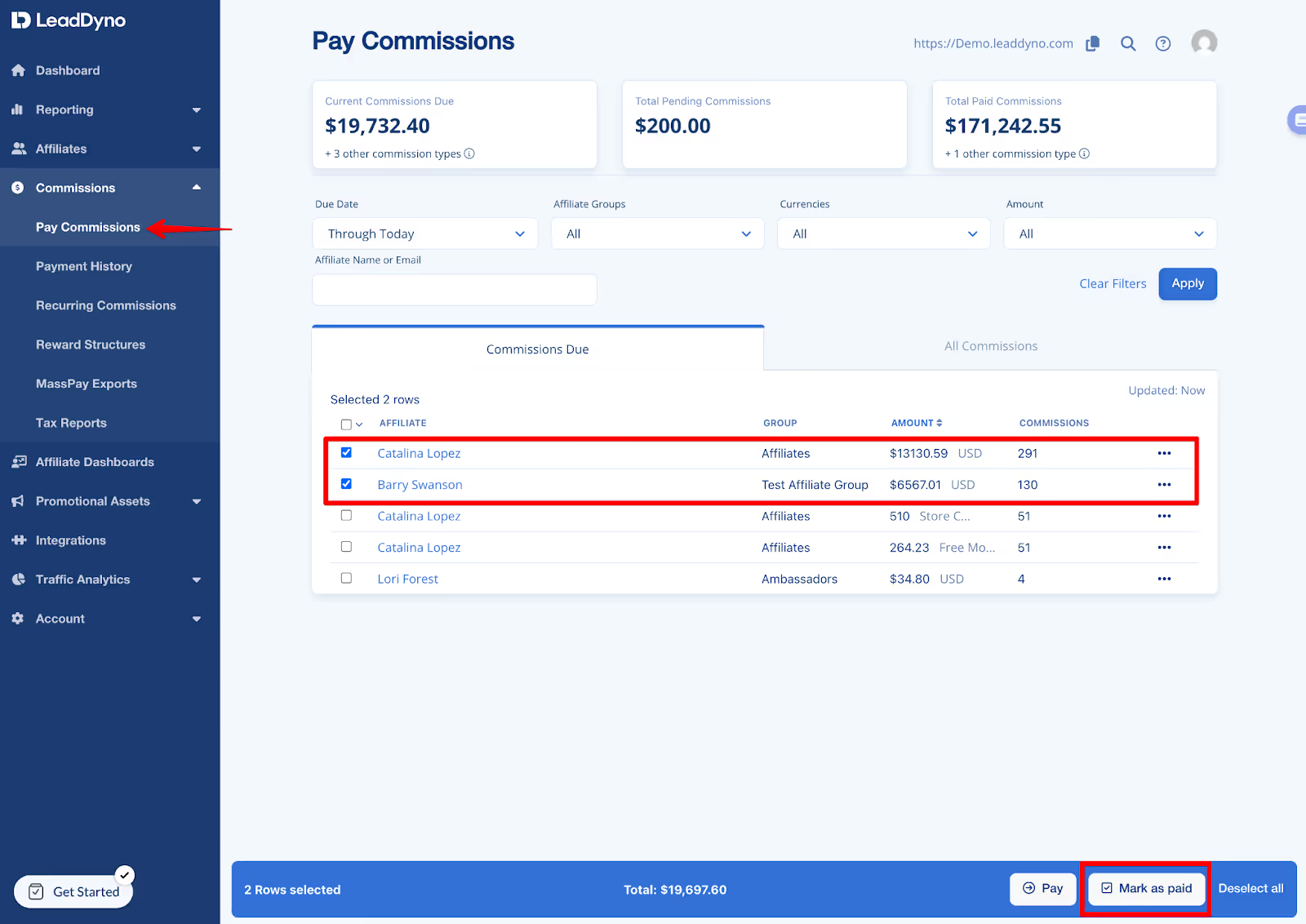
When it comes to payouts, you’ll need to establish a clear and automated payment process. Payment terms should already be outlined in your affiliate agreement.
Proper Tracking Infrastructure
It’s important that you also consider how your processes and systems will track potential multi-touch attribution situations. This type of tracking is perfect for businesses with long sales cycles; this feature allows you to track and credit multiple touchpoints throughout the customer journey.
Lead Quality Determination
If this hasn’t been done in the business already, we highly recommend you work with sales to clearly define your lead qualification process. A common framework for consideration when developing this is budget, authority, need, and timeline (BANT) to assess a lead's potential value.
Setup Affiliate Payouts
Handling affiliate payouts properly and professionally is of utmost importance for developing strong partnerships and fostering trust. Start by setting clear payment thresholds and timelines to manage expectations and avoid confusion. It’s best if your payout process is integrated with a reliable affiliate management tool that automates the calculation and distribution of commissions.
Step 6: Monitor Performance and Optimize
Continuous optimization ensures your program evolves and improves over time. Regular analysis identifies high-performing elements to scale and underperforming areas to address.
Review Performance on a Monthly Basis
Set aside time each month to evaluate your program's health by reviewing key areas. Start with affiliate performance reviews to identify your top performers and those who might need extra support. Next, compare the performance of different affiliate channels to understand their impact. Analyze your affiliate funnel to pinpoint where potential customers are dropping off in the sales process.
Use Advanced Analytics for Deeper Insights
Go beyond the basics with advanced analytics to truly understand your program's impact. You can uncover incredible insights by looking at:
- Customer Lifetime Value: Analyze the long-term value of customers brought in by affiliates.
- Multi-Touch Attribution: Get the full picture of the customer journey and understand every touchpoint.
- Predictive Analytics: Identify which affiliate activities are most likely to lead to success.
- Cohort Analysis: Compare how different groups of affiliates perform over time.
Gather Feedback Directly from Affiliates
To truly understand your affiliates' needs and experiences, it's vital to implement effective feedback collection methods. Here are some ideas to get you started:
- Send Out Surveys: Create short, targeted surveys using tools like Google Forms or Typeform. Ask specific questions about their experience, challenges, and areas for improvement. Keep it concise to encourage completion.
- Leverage Basic Email Outreach: A personal email can go a long way. Reach out to your affiliates directly and ask for their honest feedback. Personalization shows that you value their input.
- Use Net Promoter Score (NPS): Introduce NPS surveys to affiliates like you would to customers. It’s a quick and an effective way to gauge satisfaction and identify promoters or detractors.
Building these strong, collaborative relationships will not only boost program performance but also inspire loyalty and long-term engagement.
Step 7: Support and Resourcing
Comprehensive affiliate support distinguishes the successful programs from the mediocre ones, which is why it’s important to set up the proper support processes in the beginning of your B2B affiliate journey.
Develop a multi-tiered support structure
Develop a multi-tiered support structure by offering a combination of resources, communication channels, and strategic partnerships. This may look like email communication only for 80% of affiliates, with dedicated account manager support for the top 20% of affiliates.
Provide robust marketing support
Providing robust marketing support also strengthens affiliates' ability to drive results. Include technical documentation for affiliates managing complex B2B opportunities, and develop sales tools such as ROI calculators and proposal templates.
Pro Tip: As your B2B Affiliate program grows, offer co-branded marketing materials for your top-performing affiliates, along with case studies and success stories that act as compelling social proof, directly related to that affiliate partner.
Maintain regular communication rhythms
Finally, maintaining consistent communication rhythms ensures priority alignment and long-term success. This can be done with quarterly business reviews for strategic partners to assess progress and opportunities. This holistic approach guarantees truly supportive and scalable partnerships.
{{blog-cta}}
Examples of Successful B2B Affiliate Programs
Looking for specifics? These real programs showcase diverse approaches and strategies that drive meaningful results.
FrontRunner
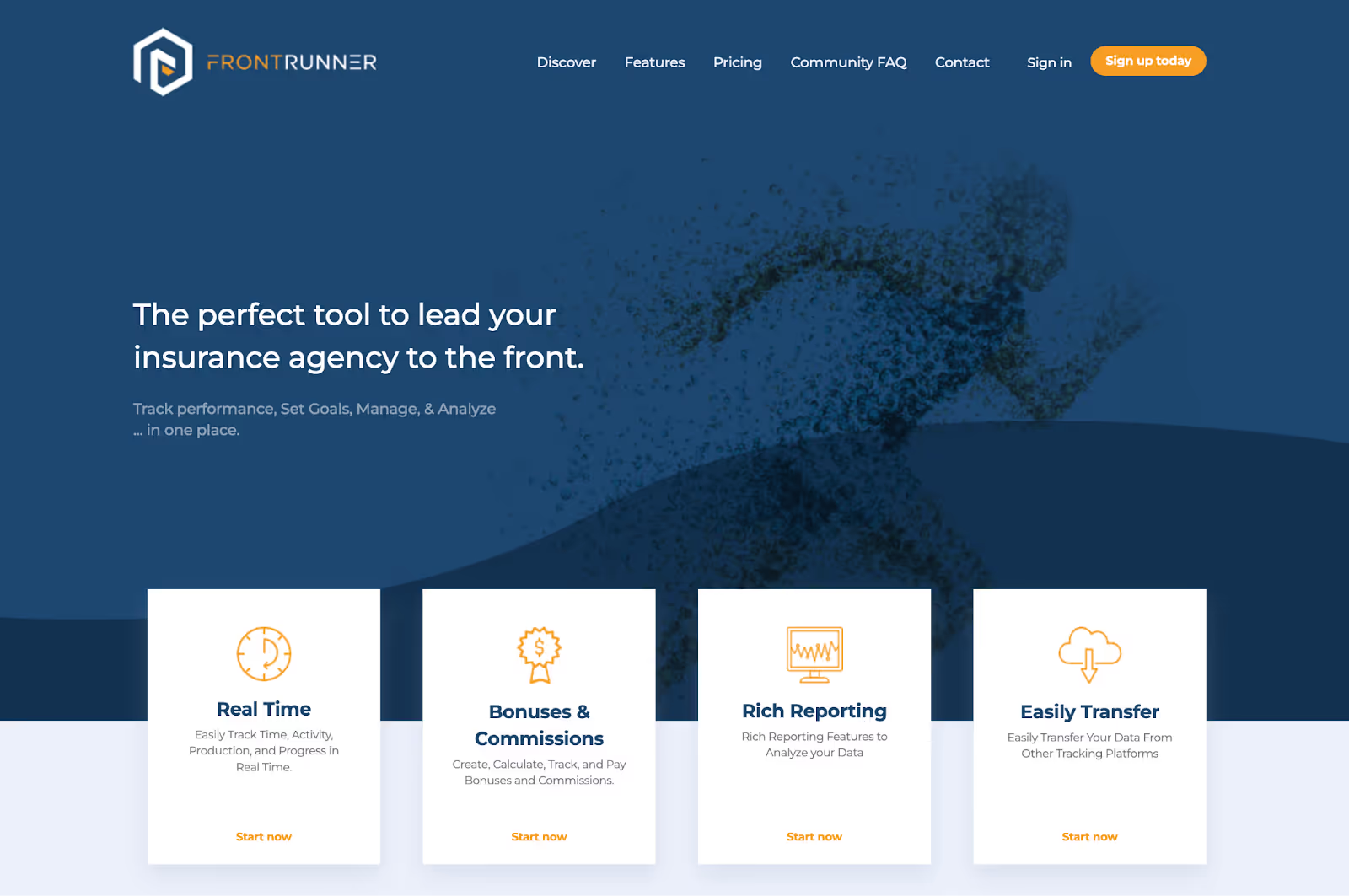
A great example of a successful B2B affiliate program is FrontRunner, a B2B-focused company to help insurance agencies grow. By leveraging LeadDyno's affiliate marketing platform, FrontRunner successfully built a network of enthusiastic ambassadors who passionately shared their products and mission. This approach expanded FrontRunner's reach and is a valuable source of new sign-ups for FrontRunner.
AI For Companies
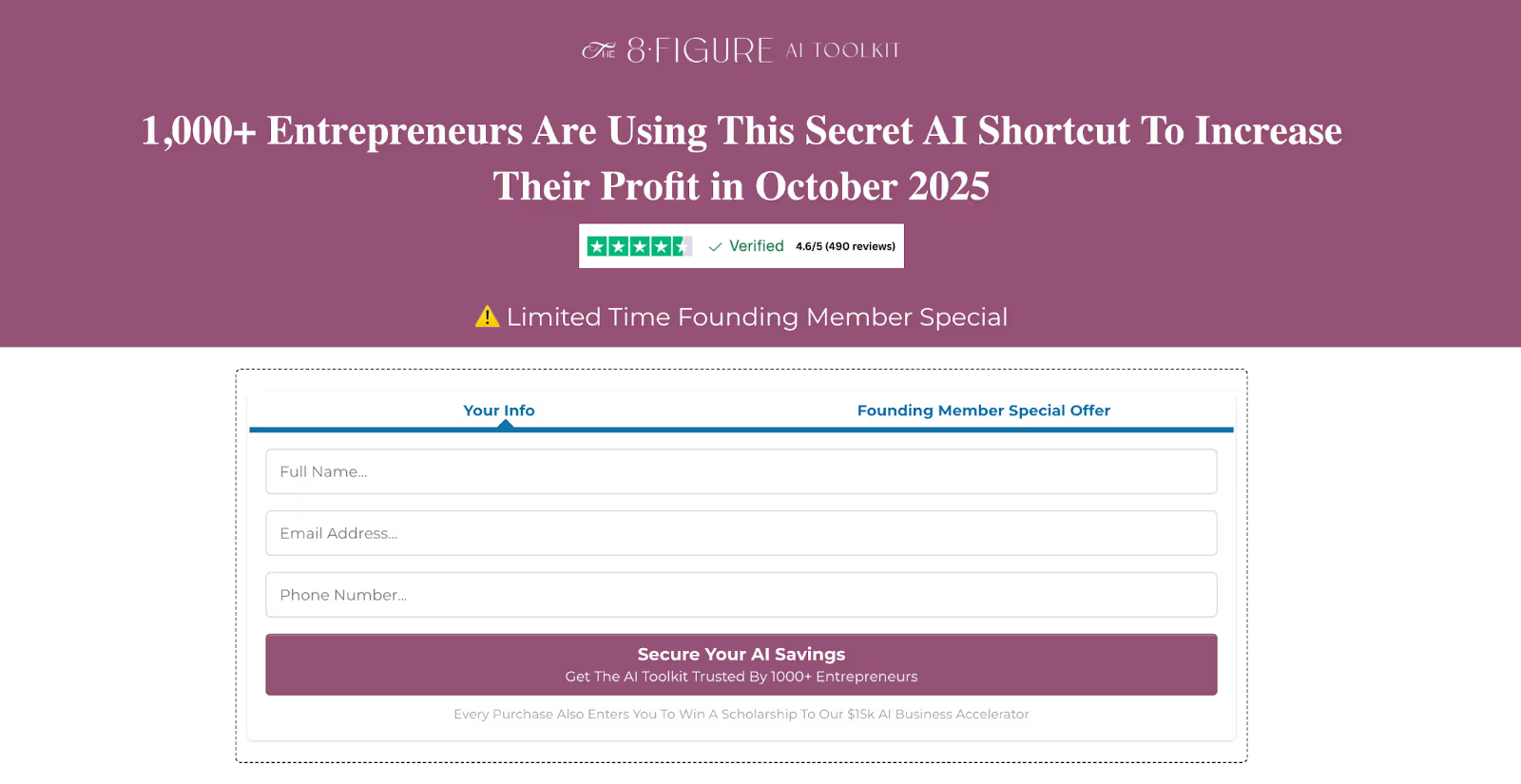
AI for Companies is another unique example of a B2B-focused affiliate program that's successful. This B2B affiliate program is different from other B2B programs, because it's based on informational products and tools, targeting entrepreneurs of all different business sizes. By offering a suite of informational products and advanced tools, this program supports their affiliates with both a deep solution that has several different angles for promotion across their different courses and tools.
HubSpot and LinkedIn Learning
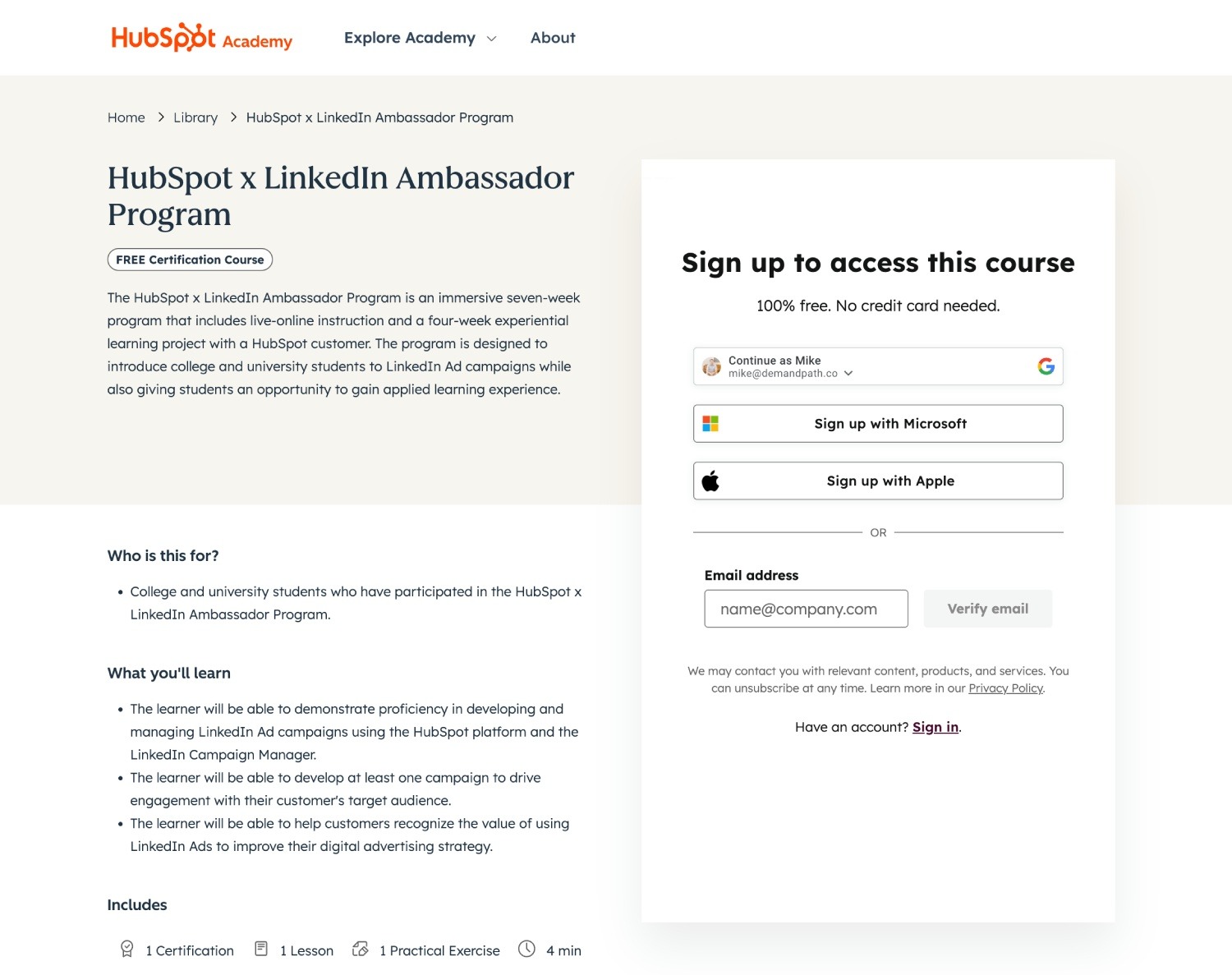
HubSpot and LinkedIn Learning exemplify how educational content and business solutions create powerful partnerships. HubSpot's affiliate program leverages LinkedIn Learning's professional audience by providing valuable marketing and sales education. This strategic alliance enhances HubSpot's credibility among professionals seeking skill development while giving LinkedIn Learning access to high-quality business content. Both parties benefit from significant lead generation through this mutually beneficial relationship.
Shopify and QuickBooks
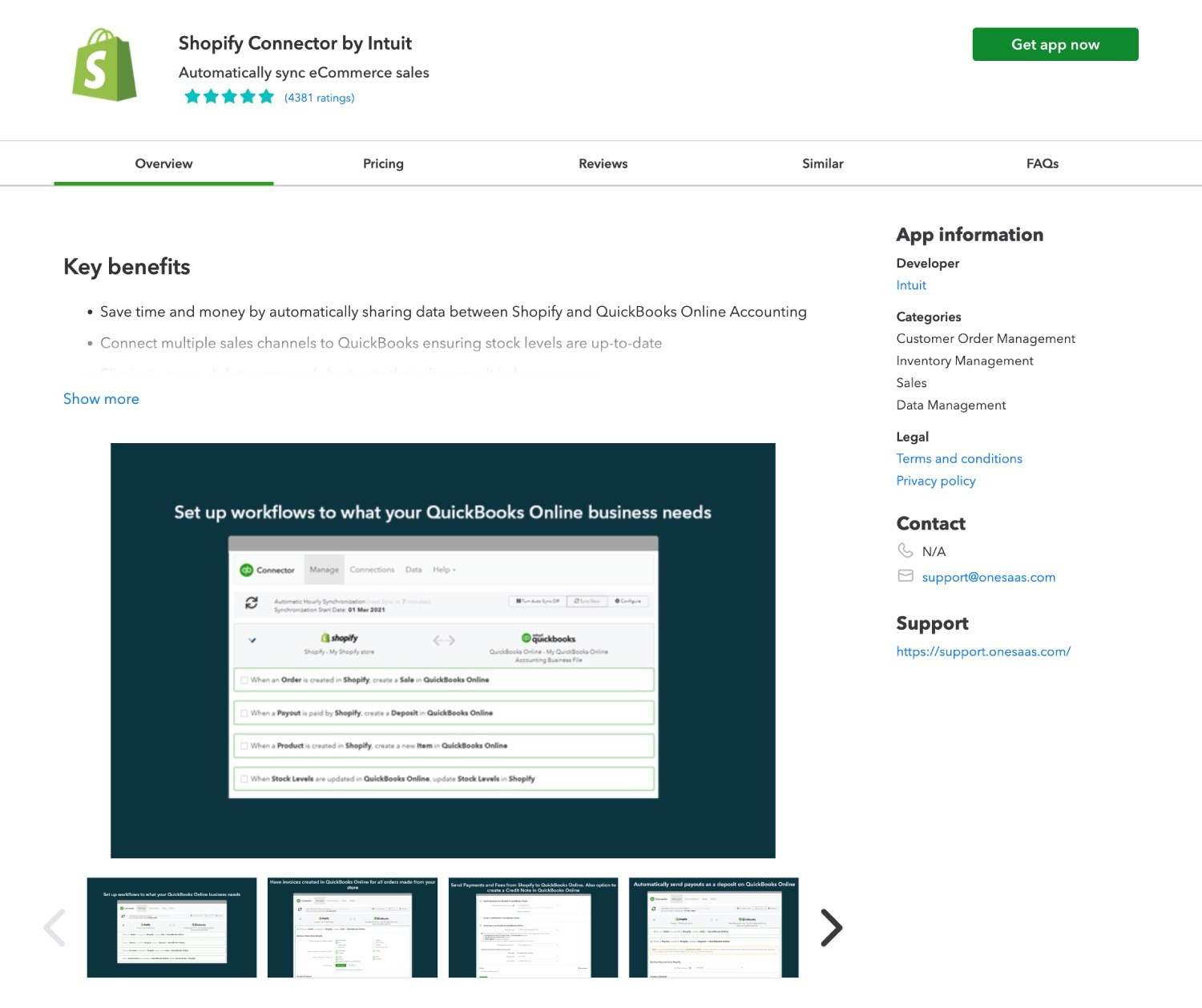
Shopify and QuickBooks showcase how e-commerce and financial management integration create compelling affiliate opportunities. Their partnership enables affiliates to offer complete business solutions covering both online sales and financial tracking. The seamless integration between platforms makes the combined offering more appealing than individual solutions, driving higher commission values and customer satisfaction.
Lodgify
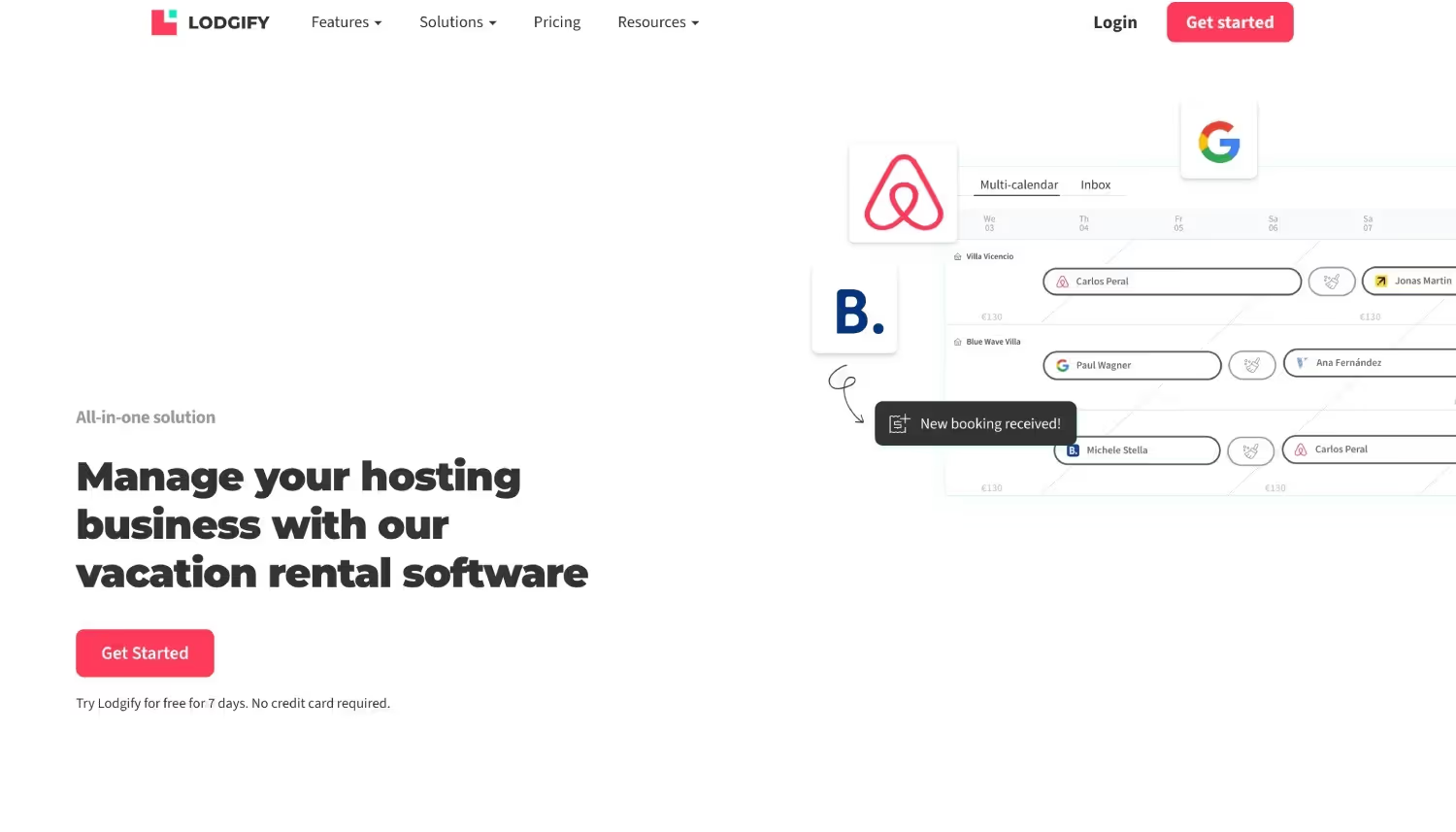
Lodgify's Success Story provides a compelling real-world example of B2B affiliate marketing transformation. This vacation rental management software company saw remarkable results after implementing their affiliate program with LeadDyno. They achieved a 2400% yearly increase in web sales from affiliate activity, growing their program to over 1,300 active affiliates. Their affiliate channel now contributes 17% of total yearly sales, while reducing customer acquisition costs by 90% from approximately $1,000 per client to under $100 per client. Top-performing affiliates earned an average of €13,500 in commissions, demonstrating the program's value for partners as well.
InvestNext
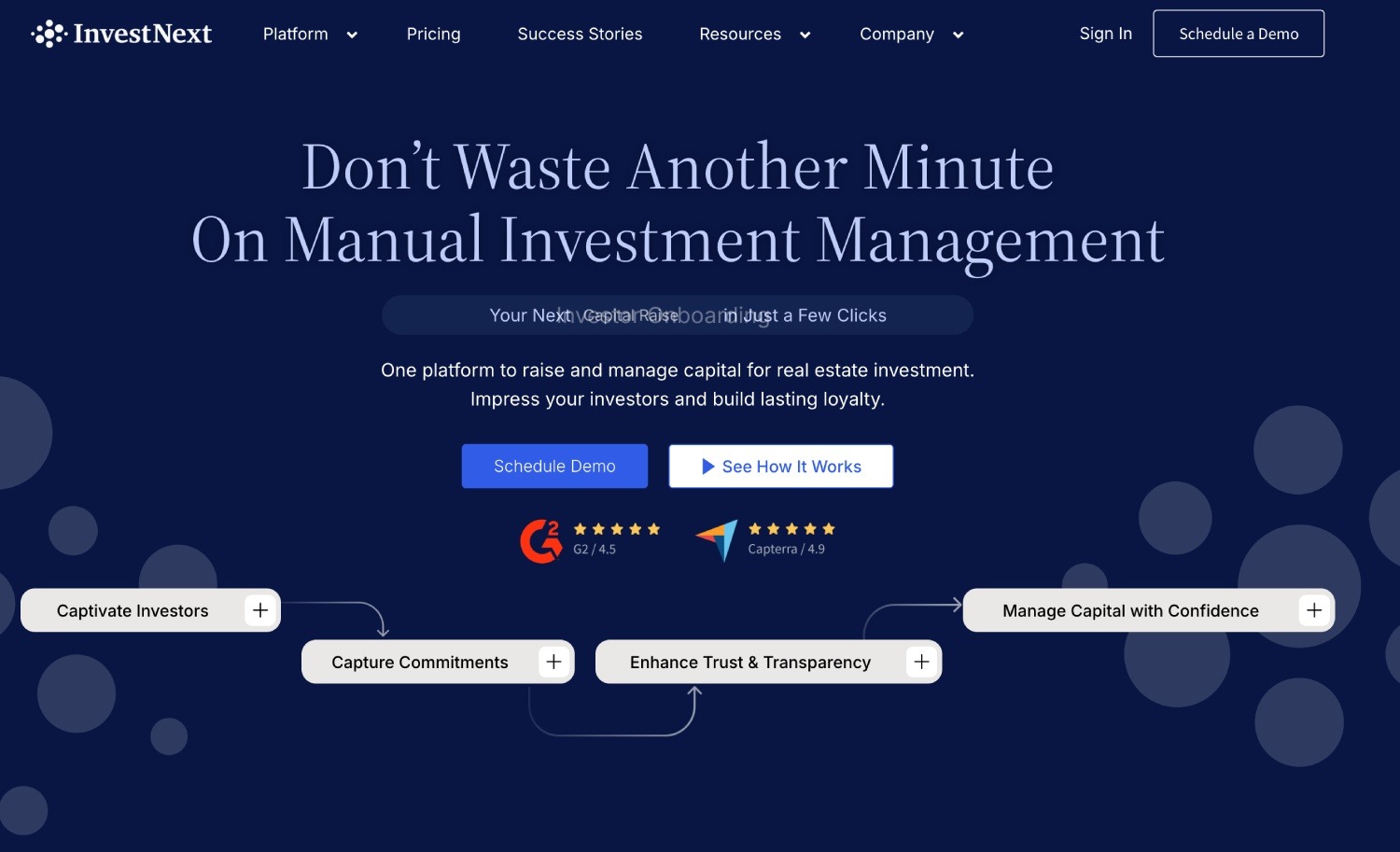
Another great example is InvestNext, a platform designed to streamline real estate syndication. By incorporating LeadDyno’s affiliate program, InvestNext witnessed remarkable growth in both customer acquisition and overall sales. Their affiliates leveraged tailored marketing tools to amplify outreach, resulting in an influx of high-quality leads. The program allowed InvestNext to reduce their marketing spend while building a network of motivated partners who directly contributed to the company’s scalability. This success story highlights how partnering with affiliates can be a game-changer for businesses across diverse industries. Learn more about them at InvestNext.
Zendesk and Hootsuite
Zendesk and Hootsuite illustrate how customer service and social media management can create powerful affiliate synergies. This partnership allows affiliates to offer comprehensive customer experience solutions covering support tickets and social media engagement. The integrated approach provides businesses with unified customer interaction management, making both platforms more valuable together than separately.
Microsoft Azure and SiteGround represent enterprise-level hosting partnerships. This collaboration enables affiliates to offer bundled cloud services and web hosting, streamlining infrastructure management for business clients. The partnership reduces complexity for customers while providing affiliates with higher-value packages to promote.
Dropbox and Xero
Dropbox and Xero demonstrate complementary service partnerships. Dropbox's cloud storage naturally pairs with Xero's accounting software, creating attractive bundled offers for business clients. Affiliates can promote both platforms together, providing comprehensive solutions that address multiple business needs. This partnership approach increases value for customers while boosting conversion rates for both companies.
Tools to Scale B2B Affiliate Marketing Efforts
A comprehensive affiliate management software will be the central pillar for your program’s success. These platforms handle complex B2B requirements like multi-touch attribution, extended sales cycle tracking, and CRM integration. Here’s how it helps your program.
Comprehensive Click Tracking
Click tracking is important because it offers real-time insights into your campaign’s effectiveness, helping to identify trends, optimize strategies, and allocate budgets more wisely. LeadDyno simplifies these challenges with multi-channel campaign tracking and attribution features.
CRM Integrations
CRM Integration ensures seamless lead handoff and tracking. Tools like HubSpot, Zoho, and GoHighLevel integrate with affiliate platforms to provide complete visibility into the customer journey from affiliate referral to closed deal.
The result? Better communication, stronger relationships, and an optimized affiliate program that scales alongside the business!
Email Marketing Automation
Email marketing automation streamlines affiliate communication and helps nurture relationships. Platforms like Mailchimp and Klaviyo can segment affiliates by performance level, send targeted training content, and automate welcome sequences for new partners.
For example, you can automatically send new affiliates onboarding materials, commission updates, or success metrics.
LeadDyno provides the complete technology stack needed to launch and scale successful affiliate programs.
{{blog-cta}}
Final Thoughts
Remember that B2B affiliate marketing requires patience and persistence. Most programs take 6-12 months to generate meaningful results, with peak performance often occurring in year two as partnerships mature and processes optimize.
The competitive advantage belongs to companies that act now. As traditional marketing costs continue rising, affiliate marketing becomes increasingly attractive to both merchants and potential partners. Early movers in emerging industries often secure the best affiliate relationships before competitors recognize the opportunity.
If you’re ready to scale your affiliate marketing, start your free trial of LeadDyno today.
.webp)

.svg)
Start a Free Trial
30 days free · Full Access
Cancel anytime
You might also be interested in...

Get Started Today
Launch your affiliate program with confidence thanks to our 30-day free trial. Begin building a program that delivers results.

