
[Guide] Referral Marketing Programs & How to Implement
See how LeadDyno can take your affiliate marketing strategy to the next level. Let’s set up a 1:1 demo to get your questions answered.
Did you know that referred customers spend up to 18% more over their lifetime than those who come from other sources?
Building a referral program for your business can help you capture this additional lifetime value, generate more revenue, and grow your company efficiently.
In this guide, you’ll learn 15 proven referral program ideas with real-world examples to help you drive growth for your affiliate marketing programs. Let’s begin!
Key Takeaways
- Strategic incentive design matters more than incentive size. A successful program aligns rewards with referral partner behaviors and customer actions.
- Seamless user experience drives participation – the easier you make it for customers to refer and track their progress, the more referrals you'll generate.
- Continuous optimization and tracking are essential – the best referral programs evolve based on performance data and customer feedback to maximize long-term results.
15 Top Referral Marketing Program Ideas & Strategies
1. Regular Customer-to-Customer Referral Setup
Offering direct cash incentives remains one of the most straightforward and appealing referral program ideas. Customers receive monetary rewards for successful referrals, creating clear value that's easy to understand. Businesses can also automate SMS review requests to gather feedback from customers and strengthen their relationship with existing customers.
Example
PayPal's referral program gives both the referrer and referee $10 when the new customer completes their first qualifying transaction. This double-sided reward structure incentivizes both parties to complete the referral process successfully.
Works Best For
This basic type of referral program is great for B2B businesses of all types. Professional services and financial services seem to benefit the most, while companies in the B2B space also gain traction. In general, this works well for businesses with high customer lifetime values where cash rewards represent a small percentage of revenue per customer.
2. Account Credits and Store Credits
If you cannot provide direct monetary compensation, account credits provide flexibility while keeping rewards within your business ecosystem. Each referrer earns credits that they can apply toward future purchases, with your business only.
Example
Airbnb's referral program offers travel credits to both referrers and new users. When someone signs up through a referral link and completes their first trip, both parties receive credits toward future bookings.
Works Best For
This works great for E-commerce businesses, subscription services, and B2C-focused companies where customers make multiple purchases a year.
3. Employee-Centric Referral Programs
Employee advocacy referral programs leverage the enthusiasm of your team to bring in new customers. To motivate participation, companies can incentive employees with bonuses, gift cards, or recognition for successful referrals. This approach not only drives growth but also boosts employee engagement.
Example
A restaurant technology company might incentivize employees to identify potential clients while dining out by offering attractive referral rewards. These incentives could include tech upgrades (like an Apple Watch), extra paid time off, or cash bonuses.
Works Best For
This works well for B2B companies with strong workplace culture, recruitment-focused businesses, and organizations looking to harness employees' networks for brand awareness or hiring purposes.
4. Product Giveaways and Free Items
If your products or services are inexpensive to produce, providing these in exchange for customer referrals can be a powerful way to further help your current clients and expand your business.
Example
Dollar Shave Club rewards successful referrals with points towards a razor setup and grooming products. These potential giveaways introduce new customers to different product lines, while rewarding your customers.
Works Best For
This works best for consumer goods companies, subscription boxes, and businesses with high-margin service businesses.
5. Tiered Reward Systems
While a tiered reward system can apply to most examples, this particular program rewards customers based on the number of successful referrals they complete. Ideally, it works to create momentum and build up a strong affiliate or ambassador program that rewards ongoing participation. As customers refer more people, they unlock increasingly valuable rewards.
Example
Morning Brew's referral program offers different rewards at various milestones, starting with stickers at 5 referrals and progressing to premium merchandise and exclusive experiences at higher levels.
Works Best For
This referral program idea works best for media companies, educational platforms, and businesses where customers can realistically generate multiple referrals over time.
6. VIP Access and Exclusive Perks
Exclusive access appeals to customers who value status and special treatment. These programs create a sense of belonging and appreciation that goes beyond monetary rewards.
Example
Tesla's referral program historically offered exclusive access to special events, early product previews, and unique experiences like space-themed rewards that money couldn't buy elsewhere.
Works Best For
Premium brands, luxury services, and companies with strong brand communities where exclusivity adds significant perceived value.
7. Charitable Donations
Donation-based referral programs are best when your mission and your customers align with a value-based referral program. This approach can strengthen brand loyalty, as well, so it’s powerful when it can be implemented correctly.
Example
DESCCO Design & Construction has run referral campaigns where successful referrals trigger donations to charitable causes. This allows customers to make a positive impact while introducing friends to the brand.
Works Best For
This works best for B2B brands that depend on their local or national community to market and make a difference.
8. Content Creator Influencer Programs
This referral idea is based on the classic referral setup, but focuses on content creators and influencers within your industry to drive referrals by offering them tailored incentives for promoting your products or services.
Example
Shopify's affiliate program is designed for entrepreneurs, content creators, and educators who cater to e-commerce audiences.
Works Best For
This works best for SaaS businesses, online tools, or services that target small business owners, entrepreneurs, and content creators looking for scalable solutions. This approach works especially well in industries where education is essential for new customer acquisition.
9. Service Upgrades and Premium Features
Similar to offering free products, giving referral partners an upgraded service or on-going premium features can also be a great way to support your top referring partners.
Example
Dropbox's referral program provides additional storage space for successful referrals. Both parties get value with a service upgrade.
Works Best For
This works best for SaaS companies, subscription services, and businesses where upgraded features provide tangible and immediate value that customers can immediately use.
10. Points-Based Loyalty Integration
Integrating referral rewards into existing loyalty programs creates synergy between customer retention and acquisition efforts. Customers earn points for referrals alongside regular purchases.
Example
Sephora's Beauty Insider program awards points for various activities, including referrals, which customers can redeem for products, exclusive experiences, and special perks.
Works Best For
Retail businesses, restaurants, and companies with established loyalty programs where points systems are already familiar to customers.
11. Recurring Commissions
Another popular type of referral program is a recurring commission model. These referral programs are an excellent way to incentivize long-term referrals and reward users for bringing that continued value.
Example
The LeadDyno referral program offers recurring commissions of 20% for the first 12 months.
Works Best For
This works best for B2B service businesses or subscription-based businesses with recurring revenue models. Mainly where customer retention and lifetime value are important metrics.
12. Personalized Thank-You Gifts & Exclusive Experiences
Providing special thank-you gifts or exclusive experiences can encourage your customers to refer people, without further incentive. Or, you can exclusively offer a special and exclusive vacation package for the right referral. There are a few ways that this program can be built out.
This can be a small gift in an e-commerce order, or a personalized vacation for a large financial referral.
Example
This is common for luxury real estate firms. Clients referring buyers for million-dollar properties receive personalized experiences such as private vineyard tours with the winery owner, custom interior design consultations for their own homes, or exclusive access to private art auctions.
Works Best For
Real estate agencies, travel agencies, lifestyle brands, and businesses wanting to reward loyalty with memorable and unique experiences often benefit the most.
13. Family and Friends Discount Programs
The friends and family referral programs are popular for incentivizing people close within someone's network. These are common with employee referral programs or other time-restricted referral programs.
Example
Many large-ticket companies like airlines or automotive companies offer family plan discounts where existing customers can add friends to their accounts at reduced rates. Ultimately, benefiting everyone involved while increasing customer lifetime value.
Works Best For
Large one-off purchases or subscription businesses tend to fare the best with these referral programs.
14. Gamified Achievement Systems
For this type of referral program, the incentives typically follow the same as a points-based or money for customers setup, the mechanics are the main difference. Gamification elements like badges, leaderboards, and achievement levels make referral programs more engaging and encourage continued participation.
Example
Coaching and course sellers typically incorporate a gamified achievement system for their referral programs when promoting a certain time-sensitive launch.
Works Best For
Educational platforms, courses, coaches, fitness apps, and businesses where engagement and motivation are key to customer success and retention succeed with this type of referral program.
15. Experience-Based Rewards
Offering unique experiences rather than products creates memorable rewards that customers can't easily obtain elsewhere, generating strong emotional connections to your brand.
Example
Outdoor gear retailer REI offers adventure experiences like guided hiking trips or climbing lessons to customers who generate successful referrals, aligning rewards with brand values and customer interests.
Works Best For
Lifestyle brands, adventure companies, and businesses where experiences align closely with brand identity and customer aspirations.
{{blog-cta}}
How to Implement Your Referral Program
The key to creating a successful referral program involves careful planning and strong execution. Here is how to accomplish this:
Step 1: Determine Basic Referral Details
To get started, outline the basics of your referral program. First, decide on the types of rewards, their value, and the actions customers need to take to qualify. When determining reward amounts, always keep your customer lifetime value in mind.
As a guideline, a good rule of thumb is to offer rewards worth 10-25% of the average customer value. This approach ensures profitability while giving customers meaningful incentives. Additionally, decide if you’ll reward both the referrer and referee or just focus on one.
Next, make sure to set clear rules for your program. You’ll want to determine and define:
- What counts as a successful referral
- How long new customers have to complete qualifying actions
- Any participation limits
The main takeaway is that clear guidelines help your affiliates and referral partners avoid confusion and keep your program running smoothly.
Step 2: Find Referral Partners
1. Find Your Top Advocates
To begin, build a campaign that focuses on your top and loyal customers that engage frequently with your brand. This can be based on revenue or their social / site engagement, depending on your business. Use your CRM or customer analytics, combined with email marketing, to identify these loyal customers and turn them into advocates for your referral program.
Pro Tip: Use Advanced Search Operators to Find Referral Partners
Here are a couple of advanced ways to find new referral partners online, using a search engine like Google.
Content Creator Discovery
site:instagram.com OR site:youtube.com OR site:tiktok.com
"health" OR "wellness" OR "nutrition" OR "supplement"
"link in bio" OR "promo code" OR "discount code" OR "use my code"
Blogger Outreach
"health blog" OR "wellness blog" OR "nutrition blog"
intext:"affiliate" OR intext:"sponsored" OR intext:"partnership"
intext:"disclosure" OR intext:"FTC"
-site:pinterest.com -site:facebook.com
2. Reach Out the Right Way
Introduce your referral program through targeted emails and make use of social media with direct messages or engaging posts. Make it simple for customers to sign up by providing one-click options or easy-to-complete forms, ensuring a smooth experience for them.
Example Email Template
Hi [First Name],
I know your inbox is probably overflowing, so I wanted to follow up briefly on my partnership proposal from last week.
I understand you likely receive many collaboration requests, but I genuinely believe there's something special about the alignment between your content and our health products.
No pressure at all – if the timing isn't right or it's not a fit, I completely understand.
But if you're curious, I'd be happy to send you a no-obligation sample package of our bestselling products. Many creators find that trying the products first helps them decide if it's something they'd genuinely want to share with their audience.
Just reply with your mailing address, and I'll get that sent out to you this week.
Thanks for all the valuable content you create!
[Your Name]
3. Partner Strategically
Finally, collaborate with complementary businesses to expand your reach. For example, a fitness app could team up with a sportswear brand to reach a shared audience.
Step 3: Set KPIs & Accurately Track Referrals
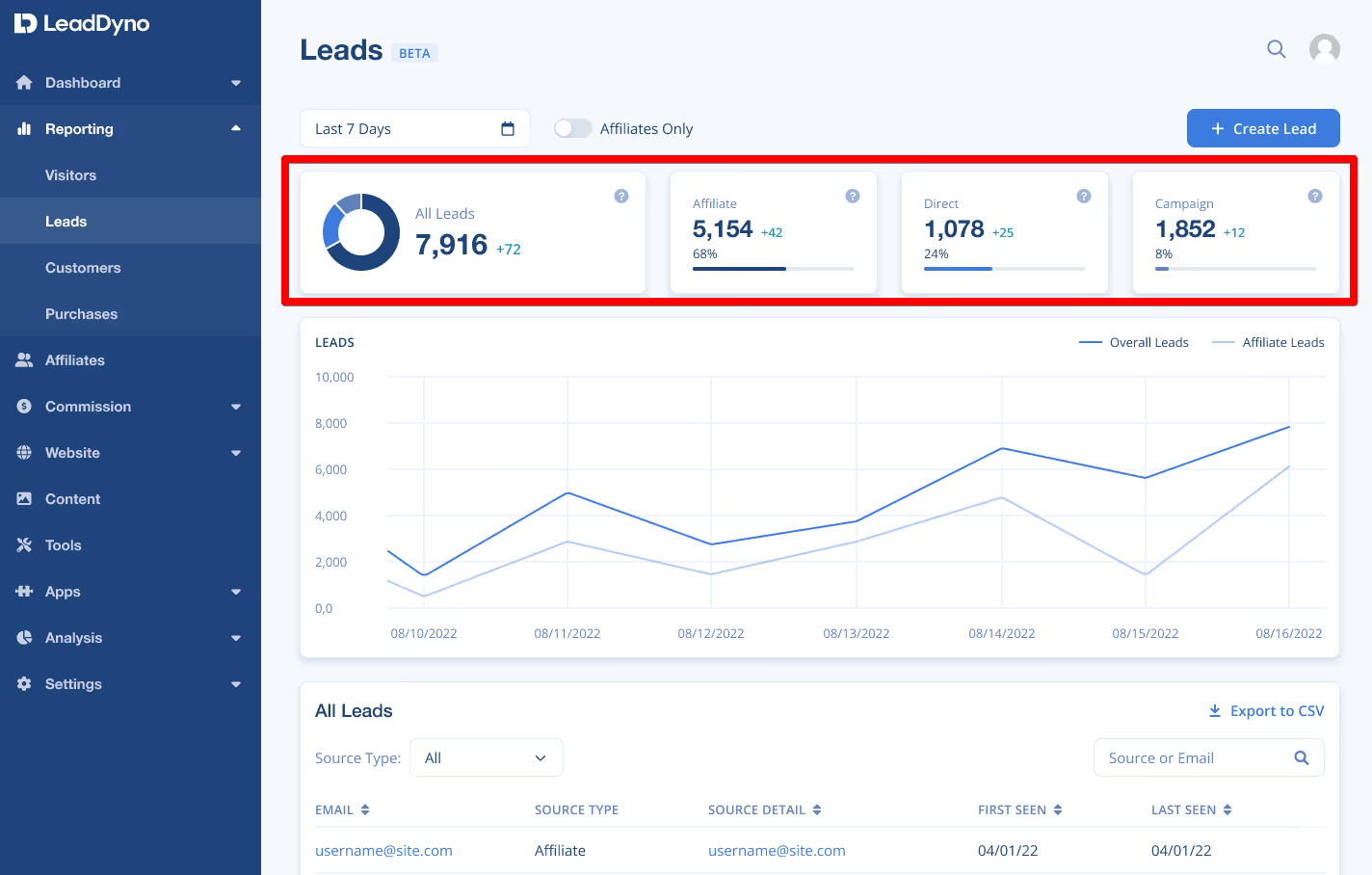
Establish key performance indicators that measure program success beyond just referral volume. Track important affiliate KPIs and metrics like:
- Conversion Rate
- Revenue Per Click (RPC)
- Return on Investment (ROI) for Affiliates
- Average Affiliate Rates
- Brand Awareness Score
And more!
It’s important that you also implement affiliate management software so you can accurately attribute referrals to the correct sources. Use unique referral codes, trackable links, or dedicated landing pages to ensure proper credit assignment and prevent disputes.
Step 4: Payout Commissions Accordingly
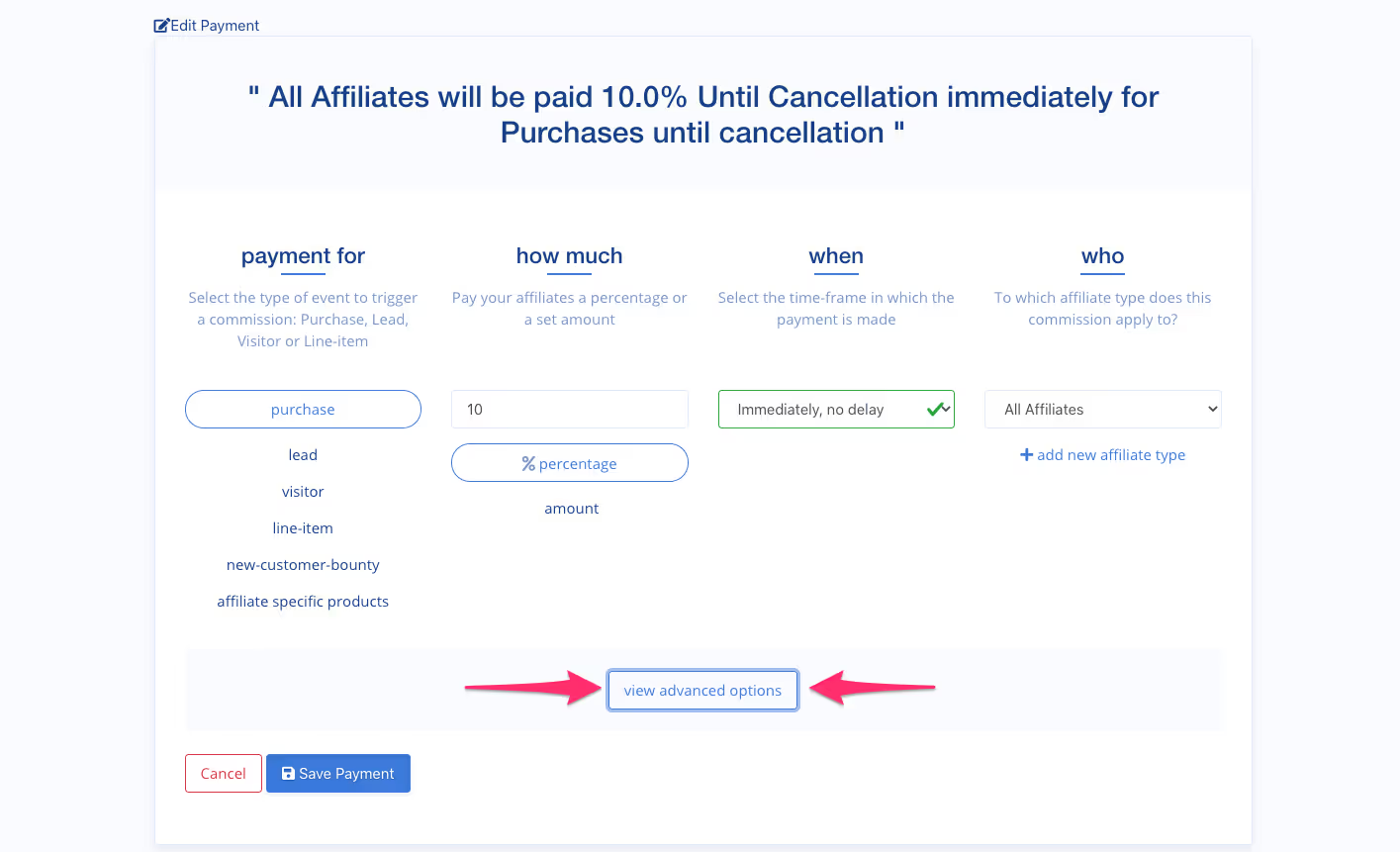
Once you have the proper tracking and management systems in place, and the sales are rolling in, it’s time to payout your new referral partners based on the commissions set. Begin by establishing consistent and timely payment processes. Clear payment schedules and reliable delivery create positive experiences that encourage continued participation.
The best part about using a tool like LeadDyno: this can all be automated to reduce administrative burden and increase accuracy. Even with complex referral programs that involve recurring payment terms.
Step 5: Update, Adjust, Repeat
Once you’ve got a smooth affiliate motion, the next step for optimizations are to test different reward structures, messaging approaches, and promotional strategies to optimize program effectiveness.
Get Referral Partner Feedback
You can begin to do this by gathering regular feedback from referral partners and customers to identify pain points and improvement opportunities. Customer insights often reveal program enhancements that significantly boost participation and satisfaction.
Be Flexible & Adjust Accordingly
Successful referral programs evolve continuously to maintain relevance and effectiveness over time.
Running Your Referral Program with Ease
Managing referral programs manually quickly becomes overwhelming as your business grows. Administrative tasks like tracking referrals, calculating commissions, and processing payments can consume significant time and resources while creating opportunities for costly errors.
LeadDyno simplifies referral program management through automation and tools designed specifically for growing brands. The platform provides the flexibility to create and manage your referral programs, while the software handles the technical complexities of it all, so you don’t have to.
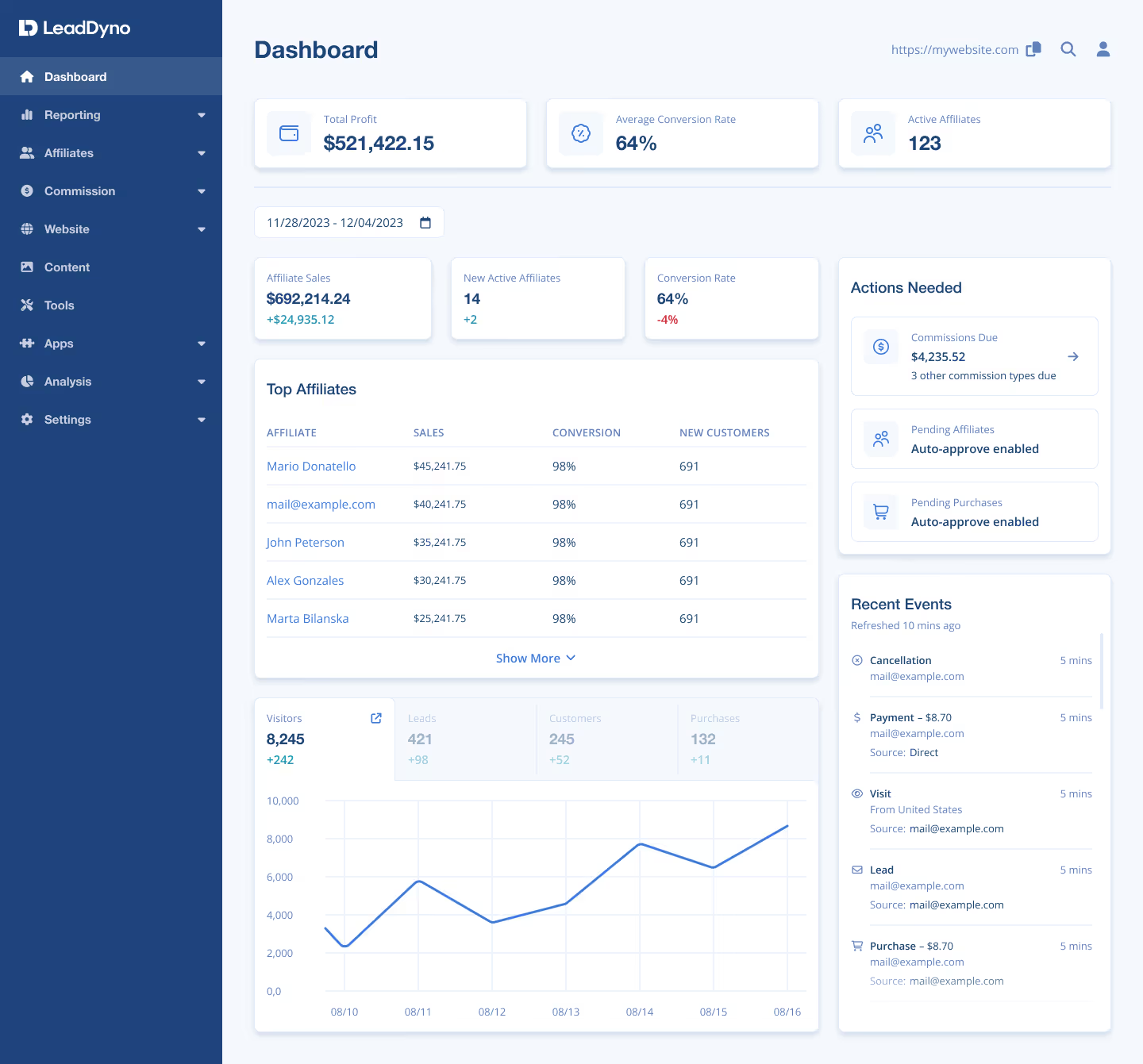
With LeadDyno, you can set up sophisticated referral programs in minutes rather than weeks. The friendly dashboard makes it easy to configure reward structures, manage affiliates, and monitor program performance.
The platform automatically tracks referral sources, calculates commissions accurately, and provides seamless payment processing that keeps your partners happy and engaged.
Advanced features like fraud protection, detailed reporting, and site integration capabilities ensure your referral program scales smoothly as your business grows.
Final Thoughts
Referral programs are a great way to grow brand sales, by leveraging a referral partner’s trust to attract new ones.
Success comes from understanding customer motivations, offering meaningful rewards, and ensuring a seamless sharing experience.
Start with proven ideas, then refine based on data and feedback. Remember, the best programs evolve as your business grows. Ready to launch? LeadDyno simplifies referral tracking and management—start your free trial today.
.webp)

.svg)
Start a Free Trial
30 days free · Full Access
Cancel anytime
You might also be interested in...

.jpeg)
.jpeg)
Get Started Today
Launch your affiliate program with confidence thanks to our 30-day free trial. Begin building a program that delivers results.

