
14 Affiliate Marketing Tips for Startups to Grow Revenue

See how LeadDyno can take your affiliate marketing strategy to the next level. Let’s set up a 1:1 demo to get your questions answered.
Curious if you should implement affiliate marketing as part of your startup’s marketing mix? The great thing is, affiliate marketing can be an absolute powerhouse of a marketing channel, for both B2B and B2C industries.
On top of that, affiliate marketing is also set to grow beyond $31 billion dollars by 2031. It’s a growing space your startup needs to pay attention to.
To make the most of your marketing dollars, follow these 14 actionable tips, designed to help startups to scale faster. Let's get started!
1. Understand how startup affiliate marketing works
In short, affiliate marketing for startups is where you pay a commission to an external partner (the affiliate) for traffic, leads, or sales generated from their referrals.
For startups, this model is fantastic, because it's low-risk and high-reward. Instead of spending big on ad campaigns with no guaranteed return, you typically only pay for actual results with affiliate marketing.
Main benefits & process
Some of the main benefits for startups include:
- Cost-Effective Marketing: Decide the desired action you want potential customers to take. For instance, you pay only for a qualified lead.
- Scalability: With a growing network of affiliates, you can expand your reach without a large shift in resources or effort.
- New Brand Awareness: Increase visibility and recognition for your startup.
The process is simple:
- An affiliate promotes your product or service on their website, blog, or social media.
- They use a unique, trackable link.
- A customer clicks the link and makes a purchase.
- The affiliate earns a commission on that sale.
Time to Value projections
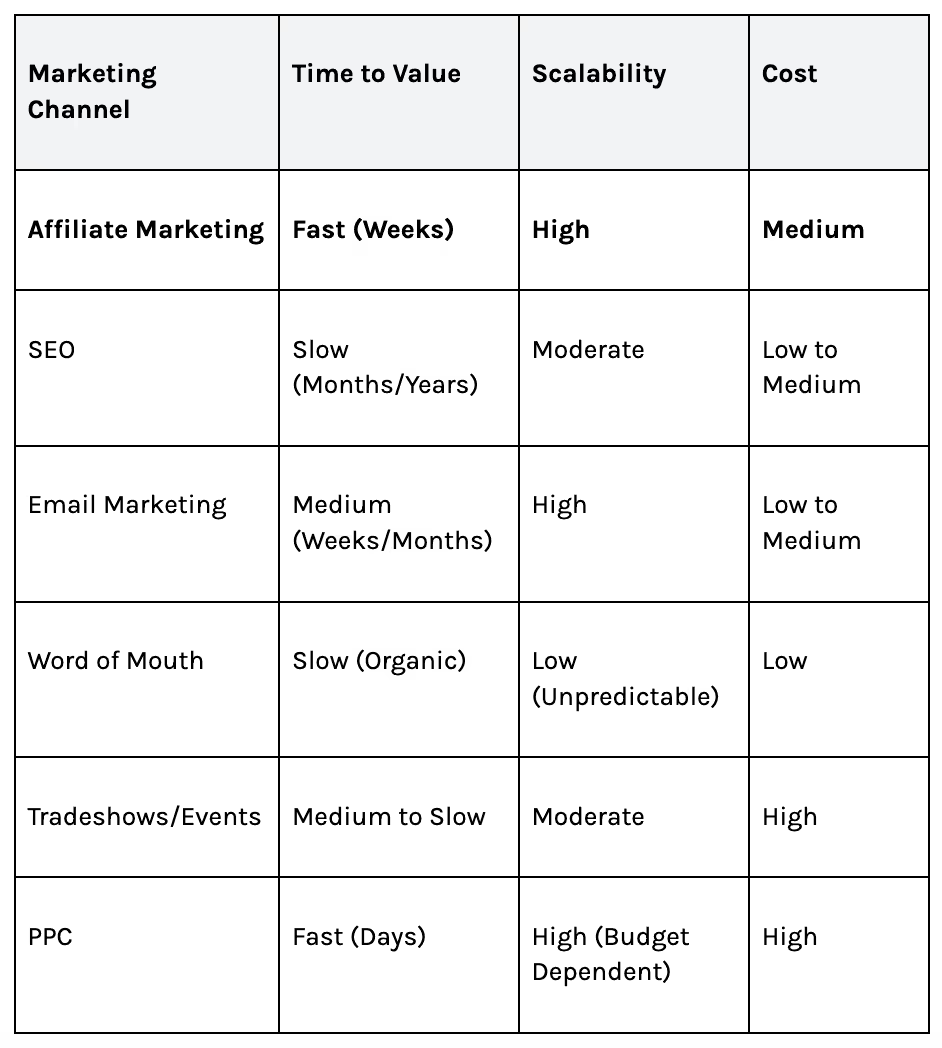
As a startup, the question any good operator will have is, ‘when will the company begin seeing real value?’ Affiliate marketing, known for its scalability, often provides faster results when compared to some other marketing channels.
Here's how it compares to other channels:
Recommended Resource: Referral Marketing Programs & Ideas Guide
2. Easily prevent fraud
Affiliate fraud can drain your budget and skew your data, so it's important to be proactive from day one. The complicated part is that fraud can come in many forms, from fake leads and stolen credit card transactions to non-compliant promotion methods.
Here are a few simple ways for startups to prevent fraud:
Leverage secure multi-attribution methods
Don’t rely solely on manual link tracking. If you’re serious about affiliate marketing for your startup, invest in secure multi-attribution methods to better manage and monitor affiliate activities, like LeadDyno affiliate tracking. These advanced tools severely reduce the risk of fraud.
Approve affiliates manually
We highly recommend taking a few minutes to review each applicant's website and social media presence before accepting their application. Do they align with your brand? Is their content aligned? A little bit of vetting goes a long way in managing affiliate administrative headaches.
Set clear terms
Your affiliate terms and conditions should explicitly state what is and isn't allowed. For instance, you’ll want to avoid affiliate bidding on your branded keywords or promoting your company through spammy channels. We’ll go more into affiliate agreements later.
Recommended Resource: [Guide] Affiliate Fraud Protection to Protect Your Brand and Payouts
3. Have marketing assets ready for affiliates
Your affiliates are basically like a commissioned sales team. To help them succeed, you need to provide high-quality marketing materials. This doesn't mean you need a huge design budget, though.
Here are a few ways that your startup can be resourceful around what assets to provide:
- Logos and Brand Guidelines: Provide your logo in various formats and a simple one-page guide on how to use it.
- Product Images and Videos: Give affiliates access to your best product shots/screenshots and any promotional videos you've created. If you haven't created promotional videos yet, an AI ad maker can turn your product details into short video ads.
- Banner Ads: Next, create a handful of banner ads. You can use free tools like Canva to design professional-looking banners cost-effectively.
- Email Templates: Finally, write a few pre-written emails that affiliates can easily customize and send to their audience.
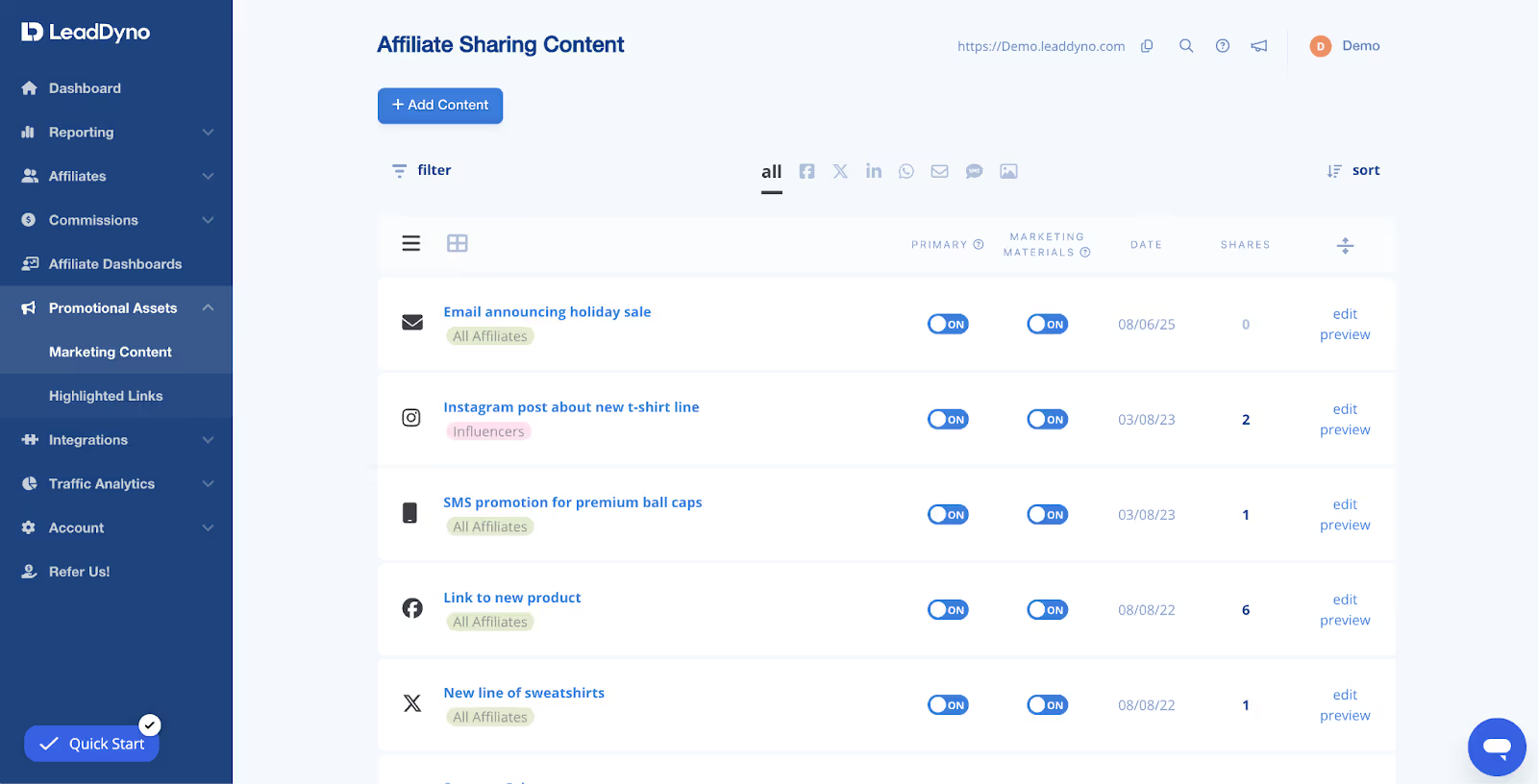
Now, make it easy for all these marketing materials to be accessed. The best way to do this is by providing a central hub. If you’re using a top affiliate tracking tool, like LeadDyno, this functionality can help you provide dashboards for your affiliates.
4. Focus on the right success metrics
As a startup, you know you need to be laser-focused on the KPIs and metrics that truly matter. It’s easy to get lost in vanity metrics. While there are tons of different metrics to consider, here are the essentials for startups to measure:
- Conversion Rate: This is the percentage of clicks that result in a sale. It tells you how effective your affiliates are at driving actual business.
- Revenue by Affiliate: Track which partners are driving the most revenue. This helps you identify your top performers, so you can nurture those relationships.
- Customer Lifetime Value (CLV): Are customers from affiliate channels sticking around? A high CLV indicates you’re attracting high-quality users who love your product.
How do these measurements change by B2B or B2C startups?
Conversion Rate
B2B startups typically experience lower conversion rates due to longer decision-making cycles and higher-touch sales processes.
B2C startups, on the other hand, deal with larger audiences and shorter sales cycles, so conversation rates are typically higher.
Revenue by Affiliate
For B2B companies, affiliate revenue may come from fewer partnerships with niche experts or industry leaders.
B2C startups often benefit from a broader network of affiliates who generate smaller but more widely distributed revenue contributions.
CLV
B2B startups often have a higher CLV, driven by subscription models or large-scale contracts.
For B2C, while CLV may be lower, scalability and repeat purchases help maintain strong overall growth.
5. Choose a commission model
Next, you’ll need a commission model that entices new affiliates to join quickly! As a startup, you don’t want to waste time or burn through your funds. There are a few models to consider, and the right one for you depends on whether you're a B2C or B2B business.
For B2C startups
A percentage of the sale is the most common model.
For physical products, this might be 5-15%. For digital products or subscriptions, you can offer a higher commission such as 20-30% on the initial sale. Or consider a recurring commission for subscription-based services.
For B2B startups
Since B2B sales cycles are often longer and involve higher-value transactions, a flat fee per qualified lead or a scheduled demo is very common practice. Another route is to offer a lower percentage, like 3-5%, on a high-ticket contract, which can be very lucrative for your affiliates.
Basically, find the industry standard and offer competitive commissions. You can always get more creative with tiers and bonuses as your program matures.
Recommended Resource: The Ultimate Guide to Affiliate Commission Rates
6. Create a stellar onboarding experience
First impressions matter. A smooth and welcoming onboarding process sets the tone for your entire relationship with an affiliate. For a lean startup, this doesn't need to be complex, but it should be clear and actionable. Begin with these 3 details.
1. Welcome email
As soon as an affiliate is approved, send them a personalized welcome email. This not only notifies them that they can get started on product promotion, but it’s a great way to begin sharing marketing assets, links, product/service details, and other information, so they’re set up for success.
Example Email
Hi [Affiliate Name],
Congratulations and welcome to the [Your Program Name] family! We’re so excited to have you on board as one of our incredible affiliates.
To get you started, here’s your unique affiliate link: [Insert Affiliate Link]. Feel free to share it far and wide with your audience to maximize your success.
We’ve also created a collection of marketing assets just for you! You can find them here: [Link to Marketing Assets].
These resources are designed to make promoting [Your Brand/Product] as easy and effective as possible.
If you have any questions or need support, don’t hesitate to reach out to us at [Support Email]. We’re here to help you succeed every step of the way!
Thanks for joining us, and we can’t wait to see the amazing things you’ll do!
Best Regards,
[Your Name]
[Your Position]
[Your Company Name]
2. Quick start guide
Next, put together a basic one-page document or short video that walks them through the essentials of how to be a top affiliate for your startup. This can include where to find their links, how to access creative assets, how to promote for success, and who to contact in the company for any necessary support.
This might sound repetitive, but your affiliates are busy, so make it easy for them to find and access all this important information.
3. Check-in
A few days after they’ve received the email, connect with them again. Ask if they’ve had any trouble accessing their affiliate link or marketing assets, and clarify any processes they might find confusing. It’s important to have this touch-point, so you can assist them with anything they need to begin promoting your startup’s product or services.
A great onboarding experience makes affiliates feel valued, which, in turn, helps them put more effort into promoting your company.
7. Use affiliate marketing software
Managing an affiliate program manually with spreadsheets is a recipe for disaster. It’s time-consuming and simply doesn't scale. This is where affiliate marketing software is a game-changer for startups.
Here is how they automate all the heavy lifting, such as:
Secure, effortless tracking
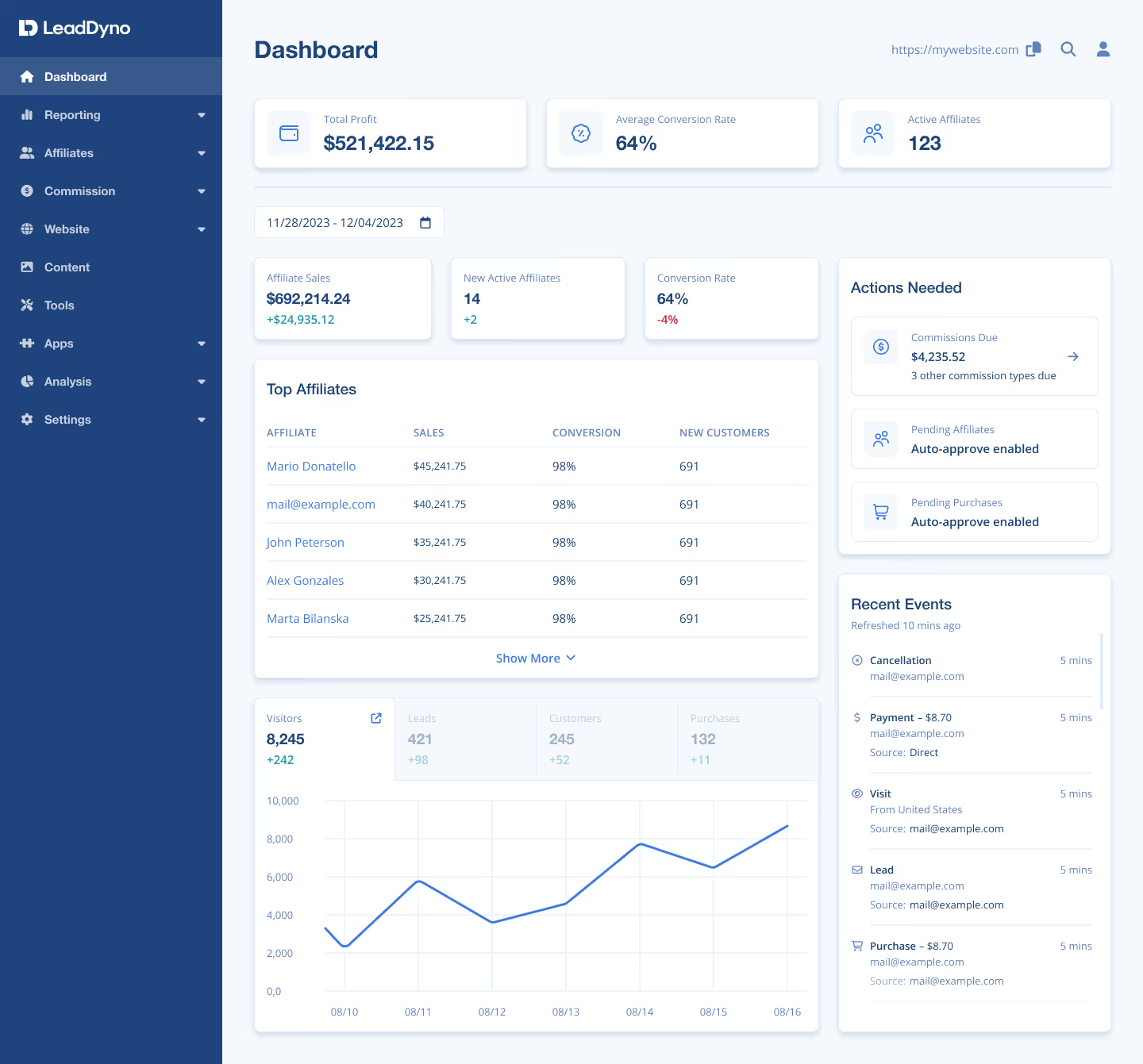
Every click matters. Accurately tracking clicks, conversions, and commissions in real time gives you crystal clear insights into your program's performance. That means no more guessing. On top of that, this software provides visibility for your program that will help you compare how this channel works against other marketing channels.
Streamlined payment integrations
Say goodbye to payment headaches as you can easily manage and trigger commission payouts to your affiliates, using integrations with your payment systems. Smooth payments equal smooth affiliate relationships.
Reporting at your fingertips
Keep your affiliates in the loop with automated emails and engaging newsletters. Share exciting updates, new marketing materials, and performance tips effortlessly, fostering a strong, connected community!
{{blog-cta}}
8. Test Conversion Rate Optimization (CRO) for landing pages
Your affiliates can send you all the traffic in the world, but if your landing page doesn't convert, everyone loses. Startups often overlook simple CRO tactics that can make a huge difference.
Here are three basic CRO tactics to implement for your affiliate landing pages:
A/B test your headline
Your headline is the first thing visitors see. Test different variations to see which one grabs the most attention and encourages users to keep reading.
Simplify your form
Only ask for the information you absolutely need. A long, complicated form is a major conversion killer.
Add social proof
Include customer testimonials, reviews, or logos of companies you work with. This builds trust and credibility, making visitors more likely to convert.
Other CRO tactics to consider:
- Add exit-intent popups
- Reduce website load time
- Focus on mobile optimizations
- Test macro conversions
Recommended Resource: Building an Affiliate Funnel That Drives Revenue for Your Company
9. Build a diverse affiliate & referral network
Over time, it’ll be important to diversify your affiliates. It helps you reach different segments of your target audience and protects you from relying too heavily on a single traffic source.
Think about recruiting a mix of affiliates, such as:
- Niche bloggers
- Social media influencers
- Industry experts
- Content creators on YouTube or TikTok.
- Email marketers
- Coupon and deal websites
- Product review sites
- Your own customers

A diverse network gives you broader market coverage and makes your revenue streams more resilient.
10. Have clear terms and guidelines
Your program’s terms and conditions will protect your brand and help align your startup’s Go-To-Market efforts effectively.
Your guidelines should be easy to find and understand. Here are a few specific terms that are particularly important for startups:
- Brand-Bidding Policy: Do not allow affiliates to bid on branded search terms or keywords in paid search campaigns.
- Disclosure Requirements: Remind affiliates that they must comply with FTC guidelines by clearly disclosing their relationship with your brand. You cannot afford legal troubles this early on in your startup.
11. Set up affiliate competitions with incentives
An affiliate competition is a structured contest designed to motivate affiliates by rewarding top performers. These competitions work well, because they tap into affiliates' intrinsic motivation and create a sense of urgency for further income generation.
This is done through incentives such as cash bonuses, epic prizes (like a Tesla), or higher commission rates for top performers. Affiliates have a clear and tangible reward to strive for, which is great for new feature, product, or service launches.
12. Consider affiliate networks for additional reach
Once your affiliate program has some traction, affiliate networks can be a great way to expand your reach, recruit new partners, and scale your program. Networks like ShareASale, CJ Affiliate, and Rakuten have extensive databases of established affiliates to promote your startup.
Recommended Resource: 11 Epic Types of Affiliate Partnerships for Your Brand’s Program
13. Provide exclusive deals and promotions
If possible, align your deals and discounts during the year with exclusive promotions to your affiliates. It’s a powerful way to drive conversions as it makes the affiliate's audience feel special.
You can offer things like:
- A unique discount code that gives their audience X% off
- Early access to a new product
- A free bonus item with a purchase
These exclusive deals give affiliates a strong selling point and a compelling reason for their audience to buy through their link.
14. Cut out admin work wherever possible
As a startup, time is your most valuable resource. That’s why it’s important to find the right program for your business, one with features that can cut out time-consuming admin tasks from your week.
Ideally, you should aim to spend no more than 5–10 hours per week on affiliate management tasks if you have a well-structured system in place. Once revenue related to affiliate marketing surpasses 25% of all revenue, it can be worthwhile to hire a partnerships or affiliate manager, so more time can be dedicated to this area.
Level up your startup affiliate marketing
The key to success with affiliate marketing for startups is to stay organized, spend your time on the right tasks at the right time, and use the proper tools to get it all done.
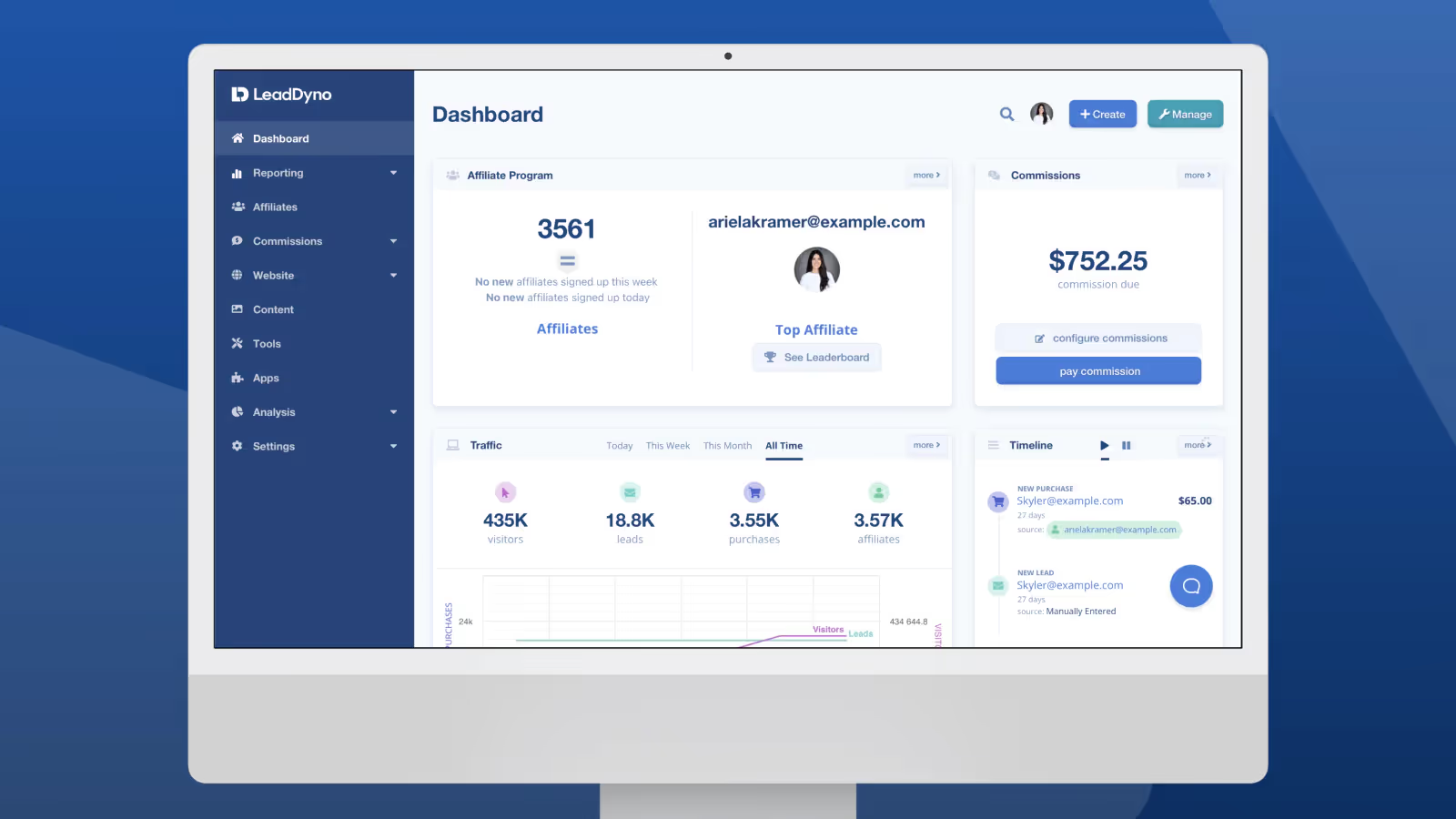
From recruiting and onboarding to tracking and payments, our affiliate management and tracking software simplifies every aspect of your startup’s affiliate program. You get all the features you need to build a powerful affiliate program for your startup.
Final thoughts
Affiliate marketing is a great way for your startup to grow cost-effectively. Begin by focusing on building genuine relationships, properly track your efforts, and empower your affiliates to sell. Ready? Start your free trial to see how our advanced tracking, automation, and analytics capabilities can transform your affiliate marketing results!
.webp)

.svg)
Start a Free Trial
30 days free · Full Access
Cancel anytime
You might also be interested in...
Get Started Today
Launch your affiliate program with confidence thanks to our 30-day free trial. Begin building a program that delivers results.

