
[Guide] Affiliate Fraud Protection to Protect Your Brand and Payouts
See how LeadDyno can take your affiliate marketing strategy to the next level. Let’s set up a 1:1 demo to get your questions answered.
Affiliate fraud costs businesses billions of dollars annually and can severely impact your marketing ROI. The good news? You can protect your affiliate program from bad actors while maintaining profitable partnerships with legit affiliates.
This comprehensive guide will walk you through everything you need to know about affiliate brand protection.
By the end, you'll know how to strengthen your affiliate program to avoid fraud and protect your brand. Let’s jump in.
Key Takeaways
- Affiliate fraud takes many forms including click spoofing, cookie stuffing, and fake lead generation, all designed to steal legitimate commissions and damage your brand reputation.
- Prevention is more cost-effective than cleanup – protect your program by implementing strong screening processes, monitoring systems, and clear terms of service, before fraud occurs.
- Quick action saves money and relationships – having a documented response plan helps you address suspected fraud immediately while preserving partnerships with honest affiliates.
What is Affiliate Fraud & How Does it Happen?
In short, affiliate fraud happens when affiliates in your program mislead or use deceptive tactics to generate illegitimate sales and commissions. This can be done in many ways, such as exploiting vulnerabilities in your affiliate link tracking, manipulating data, or faking conversions — among other techniques.
Example: The Cookie Stuffing Scheme
Here’s an example of a popular type of affiliate fraud, cookie stuffing.
Sasha runs an affiliate program for her online health store brand. She notices one affiliate, "FitnessDeals123," suddenly generating hundreds of conversions with unusually high commission payouts, but with suspicious patterns. Very few actual clicks from their promotional links with high conversions.
Upon investigation, Sasha discovers this affiliate was using cookie stuffing. FitnessDeals123 had been operating a network of seemingly innocent websites (like recipe blogs and fitness forums) that secretly loaded invisible 1x1 pixel images or hidden iframes containing Sasha's affiliate tracking links. When unsuspecting visitors browsed these sites, affiliate tracking cookies were automatically placed in their browsers without any knowledge or consent.
Weeks later, when these users independently decided to purchase supplements from Sasha's store (maybe after seeing her ads on social media or finding her site through Google search), FitnessDeals123's affiliate cookie was still active and received full commission credit for these "conversions."
This scheme directed illegitimate commissions to that affiliate and reduced the overall performance of the affiliate campaign.
The Real Costs For Your Brand
It’s estimated that in 2022 alone, there were $3.4 billion in losses from affiliate fraud. And affiliate fraud damages your business in multiple ways beyond monetary losses.
Wasted Marketing Spend
The opportunity cost of affiliate fraud can be a major drag on your marketing activities. That wasted fraud could have gone to other affiliates or other marketing campaigns that can generate the ROI you’re looking for. Overall, fraudulent commissions can drain your marketing budget quickly.
Relationship Damages
If other, legit affiliates, find out you’re paying out scammers and it’s going undetected, these legitimate affiliates may leave your program altogether, burning the bridge you spent so much time building.
Brand Image Damages
Affiliate fraud can also cause brand damage if gone unmanaged. This is accomplished through spam tactics like fake reviews or misleading advertisements, which in turn, can seriously damage your brand's reputation and customer trust.
Regulatory or Legal Challenges
Depending on the fraud type, the brand could also face legal issues related to false advertising, trademark infringement, or data privacy violations.
And more… The short of it is, you’ll want to do everything you can to make sure your affiliate program isn’t subject to fraud.
Types of Affiliate Fraud to Watch Out For
Now that you understand the damage this can cause, it’s important to know the different methods for how your program can be defrauded. It’ll help you spot suspicious activity early and implement targeted protections.
Here are the most common types you'll encounter:
Click Spoofing (Click Injection)
Click spoofing is when fake clicks are generated or legitimate clicks are manipulated to claim credit for conversions they didn't influence. This can be done through the use of bots to create artificial traffic, hijack real user clicks through website spoofing, or other techniques.
Red flags to watch for: Watch for extremely high click-to-conversion ratios or traffic spikes that don't match typical behavior patterns. This could include clicks from countries you don’t typically serve, too.
Cookie Stuffing
Bad actors may try to secretly place tracking cookies on users' devices without consent, often through invisible iframes or hostile device takeover. When users later make purchases, the fraudulent affiliate receives commission credit.
Red flags to watch for: Watch for conversions that reflect low or non-existent click volumes, or conversions from users who never visited the affiliate's promotional content.
Fake Lead Generation
One of the more basic affiliate fraud tactics is fake or made-up lead generation submissions. They might use stolen personal data, create fictional profiles, or submit the same information multiple times.
Red flags to watch for: Look for leads with suspicious email patterns, phone numbers that don't work, addresses that don't exist, or leads that never engage with any follow-up communications (like email marketing sequences).
Return/Refund Abuse
If you run an e-commerce store or sell physical products, you’ll want to look out for refund abuse. The affiliates will drive legitimate purchases to earn commissions, then immediately request refunds. They keep the commission while returning the product.
Red flags to watch for: Watch for affiliates with unusually high refund rates, patterns of purchases followed immediately by return requests, or the same customer information appearing across multiple fraudulent transactions.
Malware
Malware is one of the worst forms of affiliate fraud. It’s executed by leveraging malicious software to exploit devices and manipulate affiliate programs. Malware can be used to redirect traffic, hijack cookies, or falsely credit themselves for conversions that they didn’t generate. For example, a common tactic is cookie stuffing, where malware installs tracking cookies without the user’s consent.
Red flags to watch for: Watch for activities like sudden conversion spikes, unusual traffic sources, or irregular cookie activity.
Recommended Reading: 10 Cost-Saving Tactics for Your Affiliate Marketing Strategy
Strategies to Protect Your Brand From Affiliate Fraud
The costs for affiliate fraud are high, and there are several different tactics that fraudsters use against your brand’s affiliate program. So, it’s important to build a strong defense against affiliate fraud. This typically requires a multi-layered approach with technology, processes, and ongoing monitoring. Here's how to strengthen your affiliate program to protect against fraud.
First: Implement Rigorous Affiliate Screening
Begin by protecting your program before affiliates even join. This can be done by:
Step 1: Strong Application Requirements
A strong application process starts with a requirement for detailed applications. This can include website URLs, traffic sources, promotional methods, verified traffic sources from Google Analytics, and previous affiliate network experience. Also, get details on their specific plan for how they’ll drive affiliate sales.
Step 2: Thorough Website Quality Checks
Once your affiliate recruitment is well underway, manually review applicant websites for quality content and overall brand alignment. If it doesn’t meet a threshold check of a legitimate business or online site, then professionally reject those applications.
Step 3: Identity Verification
Finally, you can use identity verification tools to confirm applicant information and flag potential fake accounts or repeat offenders using different identities.
Second: Establish Clear Terms and Conditions
Once affiliates are screened, a clear terms and conditions / affiliate agreement should be put in place. Your affiliate agreement serves as both a legal protection and a communication tool. While these agreements can be lengthy, it should cover some basics like:
Prohibited Activities
Clearly define unacceptable practices, including specific fraud types, trademark bidding restrictions, and spam policies. Include examples to eliminate gray areas. This could include using certain marketing tactics or channels, use of brand logos, etc.
Lead or Referral Quality Standards
If there is certain criteria that needs to be met for affiliates to be paid out, specify this in the quality requirements. Or, if there is specific content that should or shouldn’t be used, have this outlined in the promotional methods and brand representation guidelines that affiliates must follow.
Monitoring Rights
Add a clause that reserves the right to monitor affiliate activities. This can include the ability to audit traffic sources and investigate suspicious behavior without prior notice.
Termination Clauses
Lastly, include a termination clause. This should Include immediate termination rights for fraud or policy violations. Along with commission forfeiture for fraudulent activities.
Third: Deploy Advanced Tracking and Monitoring
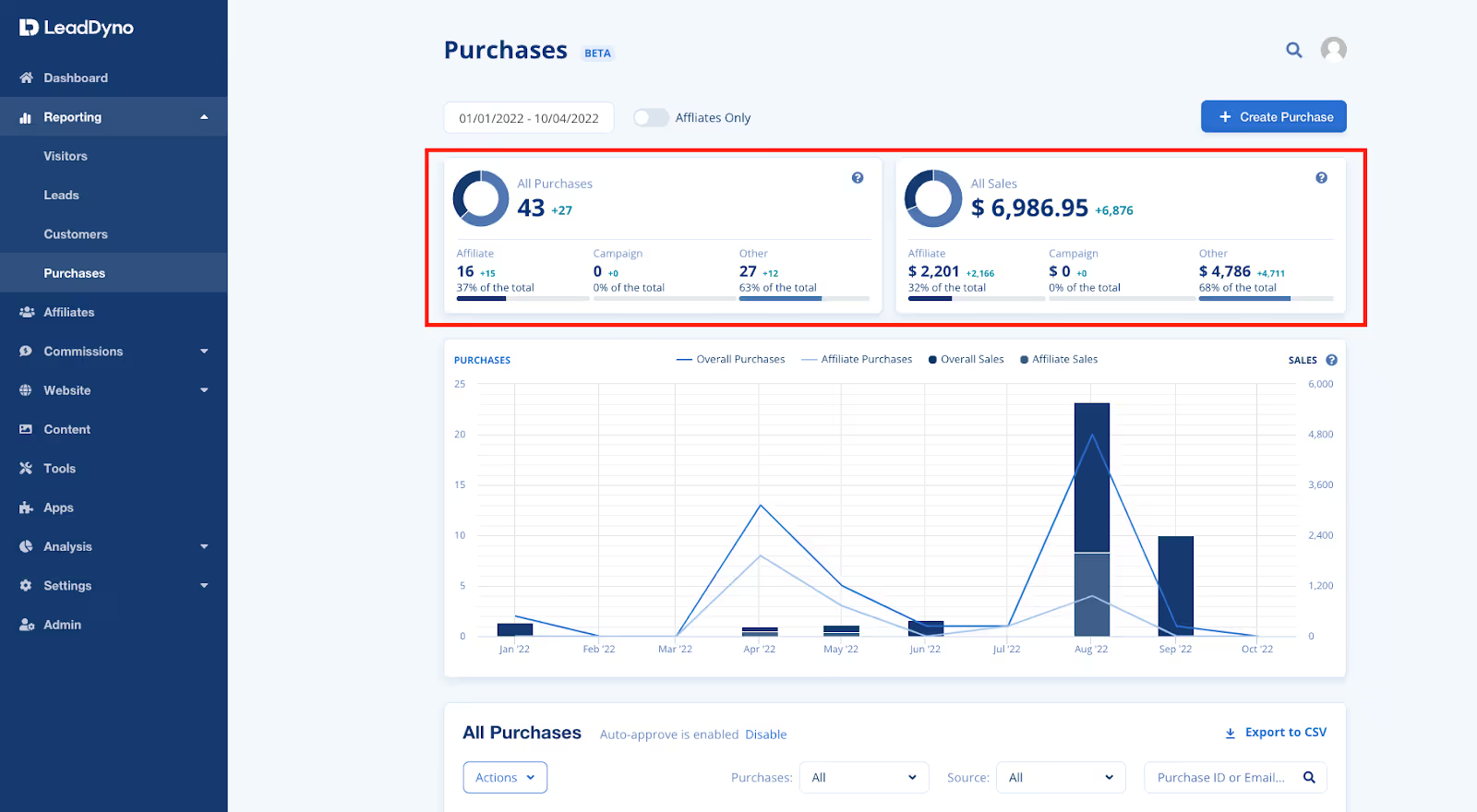
Setting up basic affiliate tracking is the next most important step toward preventing fraud and ensuring accurate measurement.
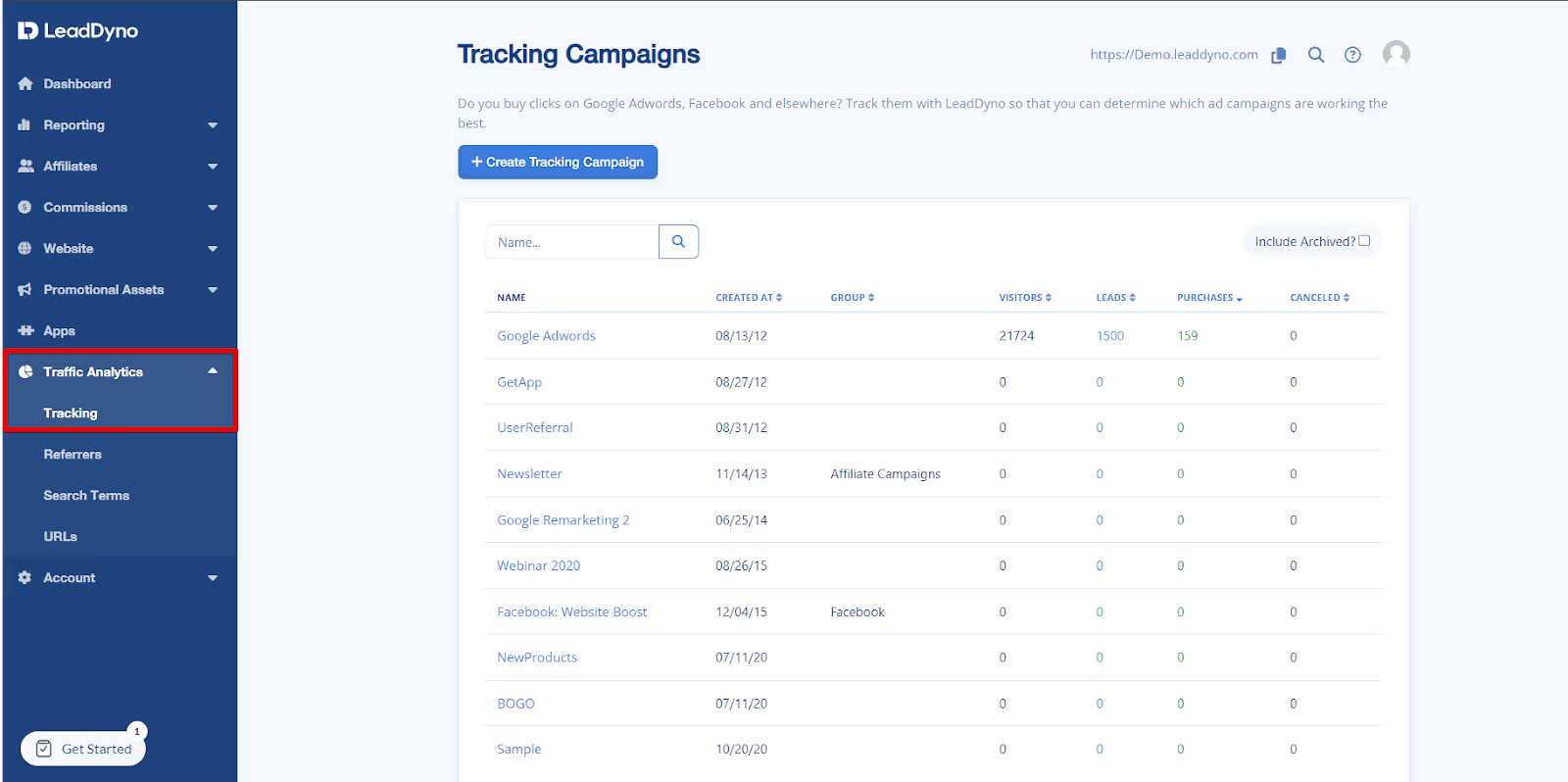
And skip the spreadsheets and manual link tracking if you’re serious about reducing affiliate fraud. Select a trusted affiliate marketing tool that offers essential features like click and conversion tracking.
This will help you reliably generate unique tracking links for your affiliates. These links ensure every click and conversion is tied back to the correct affiliate, making performance monitoring easy and robust.
{{blog-cta}}
Suspect Fraud? Here's What To Do
Quick, decisive action is essential when you detect potential affiliate fraud. Having a documented response plan helps you move fast while protecting your interests:
Step 1: Begin Documentation & Review Immediately
- Document Everything - Screenshot suspicious activities, save traffic reports, and create detailed records of concerning patterns before taking any action that might alert the fraudulent affiliate.
- Pause Commissions - Immediately freeze commission payments to suspected fraudulent affiliates while you investigate.
- Secure Your Data - Change tracking URLs or implement additional security measures to prevent further unauthorized access to your systems. An MDM solution can help secure managed devices by enforcing security policies, controlling access, and remotely managing compromised endpoints.
- Alert Your Team - Notify relevant team members including legal, finance, and customer service about the investigation so they can support your response efforts.
Step 2: Deeper Investigation Process
Begin by using your analytics and other measurement tools to examine things like:
- Click patterns,
- Conversion times,
- Geographic data, and
- User behavior flows.
This data will help you begin to verify conversions to these specific patterns where the fraud began. If needed, check external sources for the affiliate's promotional content online. Look for red flags across other platforms like the social media presence. Then, compare this data against legitimate traffic trends.
Step 3: Resolution Actions
If you’re able to properly identify the fraud in your program, remove the associated affiliates immediately and put them on a blacklist to prevent reentry. Depending on the severity, you may be able to recover fraudulent commissions through legal action.
The best feedback loop is to dive into the findings in step 2 and see what area or portion of your program needs strengthening. This could look like improvements to your screening processes, monitoring systems, or affiliate recruitment style to reduce future risks.
Frequently Asked Questions
Can you automate fraud detection?
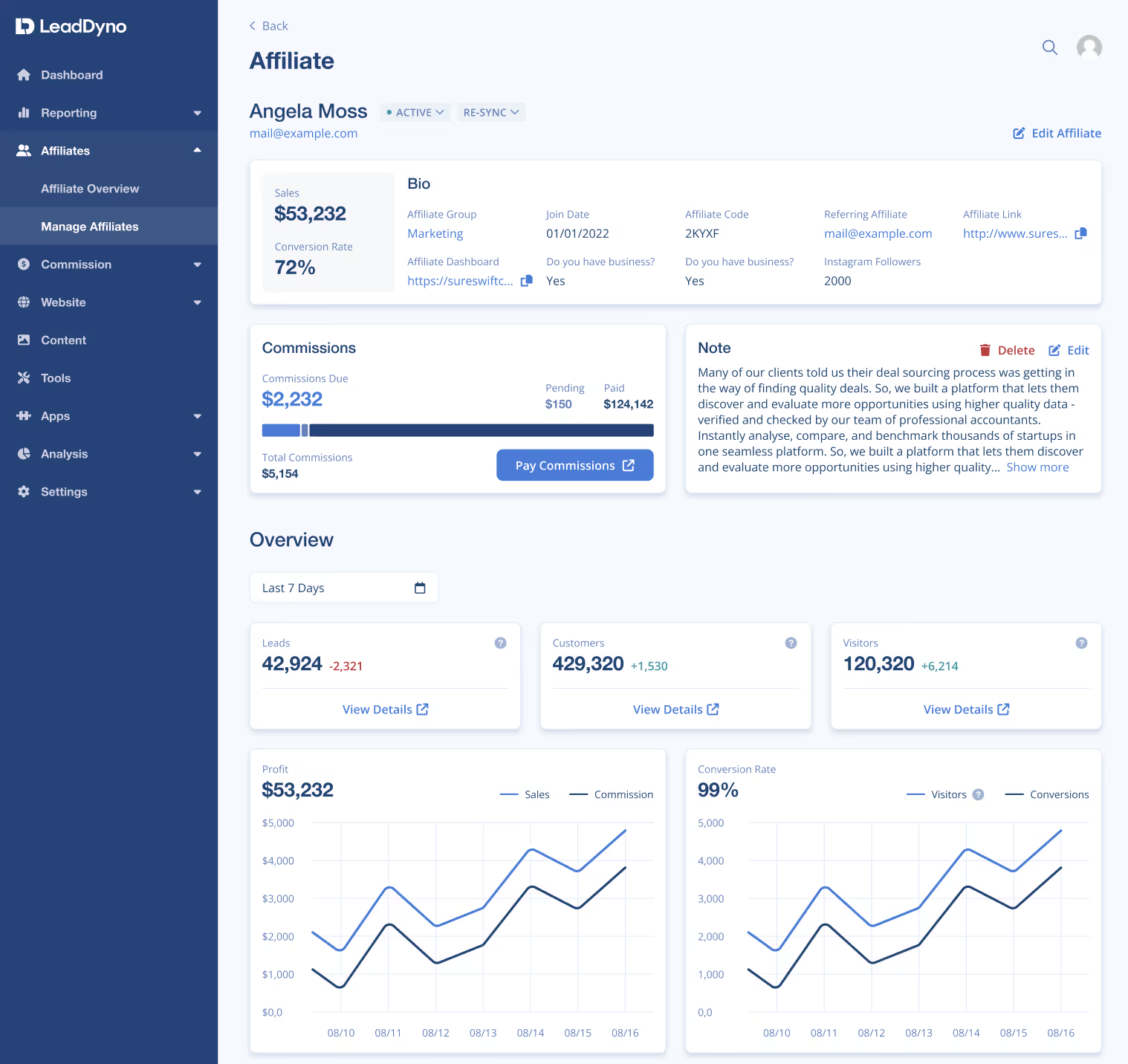
In a nutshell, yes, you can automate fraud detection. It’s not only possible but also essential for optimizing your affiliate program and protecting your brand. By leveraging advanced tools like LeadDyno, your brand can identify anomalies and patterns that indicate fraudulent behavior.
Who regulates affiliate marketing?
Affiliate marketing regulation varies by country and industry. In the United States, the Federal Trade Commission (FTC) oversees affiliate marketing practices, requiring clear disclosure of affiliate relationships and prohibiting deceptive advertising practices. The FTC's Endorsement Guides specifically address affiliate promotions and sponsored content requirements.
Can an affiliate marketer be sued?
Yes, affiliate marketers can face legal action for various violations, including financial fraud. However, we do recommend discussing this with a lawyer in your state or province before proceeding. Both brands and consumers can initiate legal proceedings against affiliates who engage in fraudulent or illegal activities.
What are affiliate chargebacks?
Affiliate chargebacks occur when customers dispute transactions that originated from affiliate promotions, typically due to unauthorized charges, product dissatisfaction, or fraudulent activities.
These chargebacks can result from fraudulent affiliate activities like fake lead generation, misleading advertising, or unauthorized recurring billing setups. Brands usually reverse affiliate commissions when chargebacks occur, and repeated chargebacks from specific affiliates often indicate fraudulent behavior requiring investigation.
Final Thoughts
Successful programs balance strong security with support for honest affiliates, encouraging them to promote your brand effectively.
Start by implementing screening and monitoring strategies that fit your program, and use technology to save on manually monitoring requirements.
And don’t forget to start your free trial of LeadDyno today.
.webp)

.svg)
Start a Free Trial
30 days free · Full Access
Cancel anytime
You might also be interested in...


Get Started Today
Launch your affiliate program with confidence thanks to our 30-day free trial. Begin building a program that delivers results.

